

Center for Democracy & Information Integrity · BI Norwegian Business School

Opening Conference

Can democracies survive fractured and fast-changing information environments? Join us for the launch of the Center for Democracy and Information Integrity at BI and discover the newest findings on democratic resilience, information integrity, and the growing influence of AI.

Date
Time
10:00–15:00
Venue
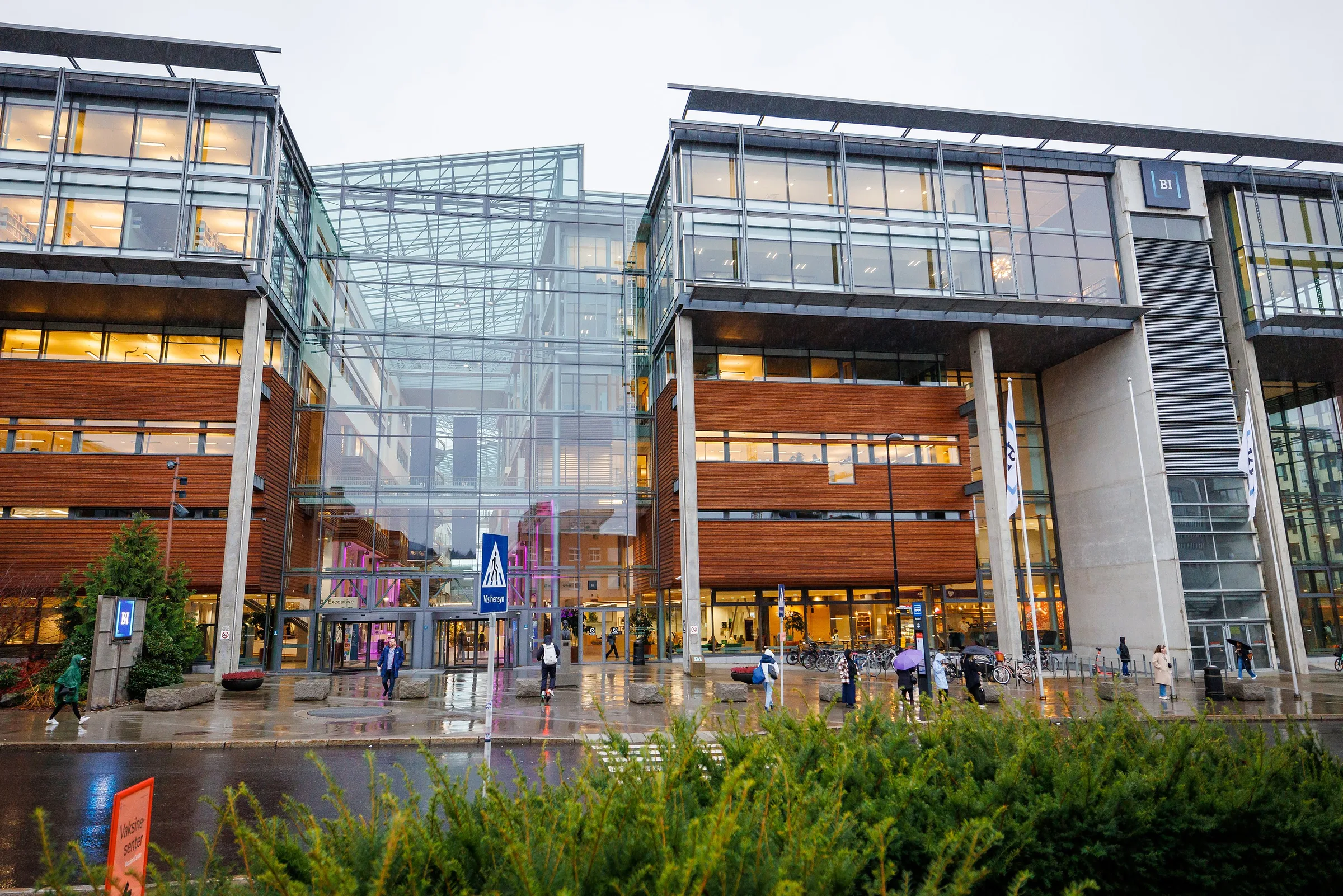
Auditorium C1-050, BI Norwegian Business School, Oslo
Attendance
Free
About the event

A day on what keeps democracies resilient—and how AI is changing the picture

The Center for Democracy & Information Integrity marks its launch with a conference at BI Norwegian Business School, featuring keynotes by leading international scholars: Stephan Lewandowsky (University of Bristol) and Jon Roozenbeek (University of Cambridge and VU Amsterdam).

Bringing together researchers, policymakers, journalists, and business leaders, the event covers the latest research on misinformation, political rhetoric, extremism, democratic backsliding, and AI-driven manipulation.

About the center

The Center for Democracy & Information Integrity (CDI) is a research center at BI Norwegian Business School, co-directed by Anton Gollwitzer and Jonas R. Kunst. It studies how misinformation, political rhetoric, and AI shape democratic societies, and works with policymakers, journalists, and businesses to translate that research into practice.

Read more about the center
  • 2Keynotes
  • 7Research talks
  • 1Panel discussion
  • 5h10:00–15:00

Keynote speakers

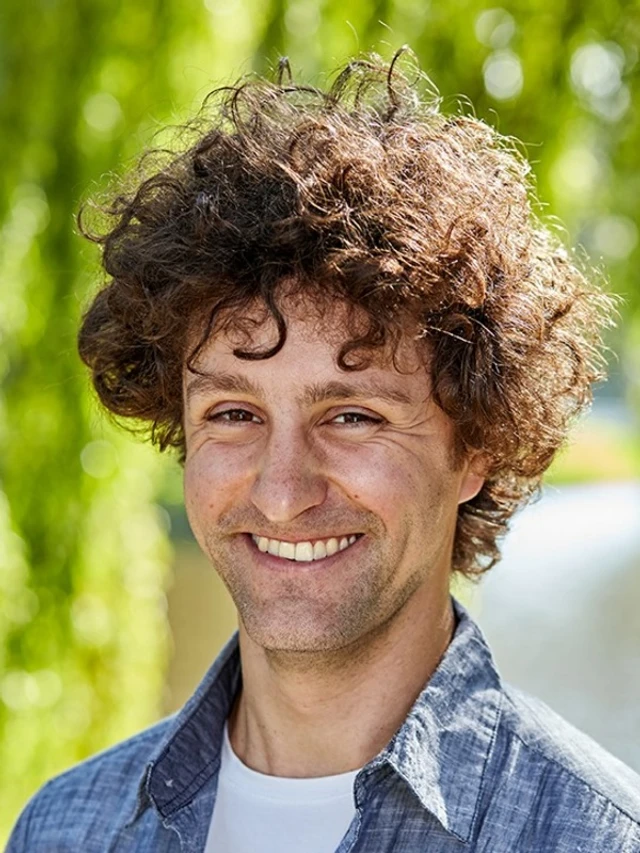
Portrait of Stephan Lewandowsky
Keynote

Stephan Lewandowsky

Chair in Cognitive Psychology
University of Bristol

The Power of Political Speech: From Persuasion to Action

Stephan Lewandowsky holds the Chair in Cognitive Psychology at the University of Bristol, where he leads the Technology, Cognition and Democracy group. His research examines how people respond to misinformation and propaganda, why well-established scientific findings are rejected, and the tension between the architecture of the online information ecosystem and democratic discourse. He is a Fellow of the British Academy and of the UK Academy of Social Sciences.

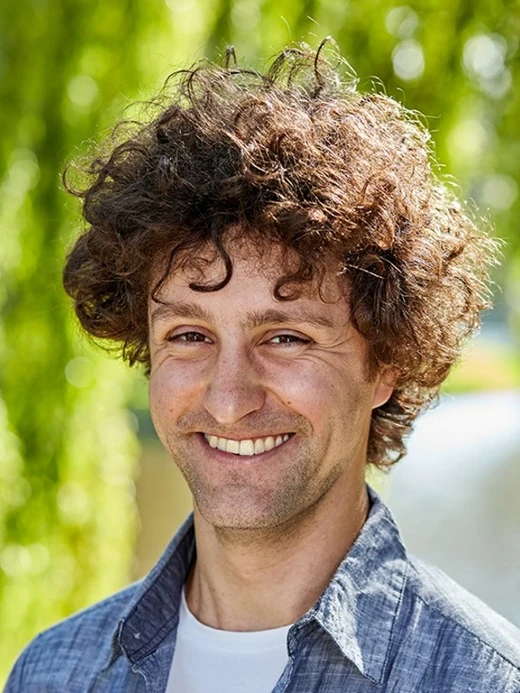
Portrait of Jon Roozenbeek
Keynote

Jon Roozenbeek

Director, Influence and Technology Lab
University of Cambridge · VU Amsterdam

Bots for Sale: The Digital Manipulation Economy

Jon Roozenbeek directs the Influence and Technology Lab, a joint initiative of the University of Cambridge’s Department of Psychology and the Department of Communication Science at Vrije Universiteit Amsterdam. His research covers belief formation, intergroup conflict, polarization, and underground manipulation markets, and he co-developed the award-winning inoculation games Bad News, Harmony Square, and Go Viral. He is the author of The Psychology of Misinformation and of Propaganda and Ideology in the Russian–Ukrainian War, and received the Association for Psychological Science’s Rising Star Award in 2024.

Program

Download PDF

Monday, 23 November 2026 · 10:00–15:00 · Auditorium C1-050, BI Norwegian Business School. All times are local (Central European Time).

Morning program

  1. Break Doors open

    Coffee and pastries will be available from 09:30.

    09:30–10:00

  2. Welcome

    10:00–10:10

    10:10–10:15

    • Ingunn Myrtveit, Provost Research and Societal Impact, BI Norwegian Business School
  3. Keynote

    10:15–10:55

    The Power of Political Speech: From Persuasion to Action

    Abstract

    Democracy is in retreat around the world. Even countries that were long considered exemplary democracies are not immune against autocratization. This talk applies the lens of large-scale computational linguistic analysis to illustrate and understand those trends. Language is crucial to democracy: it permits negotiation of power relations and is used to compete in the “marketplace of ideas” to inform government policy. But language is also the tool of demagogues and autocrats to control the populace and suppress dissent. How does discourse in a democracy differ from the rhetoric of autocrats? Can the decline of a democracy be anticipated by analyzing its political discourse? Several strands of research illustrate how language mirrors the health of a democracy and how it can also be used to subvert it. The tacit conceptions of truth and honesty embodied in political speech are strong predictors of political performance and societal welfare: an analysis of U.S. Congressional speeches reveals that since the mid-1970s, rhetoric has shifted from evidence-based to intuition-based arguments, a shift accompanied by rising inequality, decreased congressional productivity, and increased polarization. Political speech can also be linked to violence: the language of political manifestos predicts whether a manifesto gave rise to political violence, and a model trained on manipulative Reddit comments can likewise predict real-world violence arising from manifestos.

    10:55–11:00

    Q&A

  4. Break Coffee break

    11:00–11:20

  5. Talks Main talks

    11:20–11:35

    Navigating the Dangers of Misinformation

    11:35–11:50

    Manufactured Majorities: AI Swarms and the Future of Public Opinion

    11:50–12:05

    Democratic Backsliding and the Administrative Apparatus of the State

    12:05–12:10

    Q&A

  6. Break Lunch break

    Please note that lunch will not be provided. Lunch can be purchased at BI or in the surrounding area.

    12:10–13:00

Afternoon program

  1. Early career Early career scientists talks

    13:00–13:10

    Why Do Citizens Prefer Conviction over Evidence?

    13:10–13:20

    Does Putinism Exist? A Computational Investigation of 25 Years of Kremlin Speeches

    13:20–13:30

    Can AI Help Debias the News?

    • Faisal Feroz, University of Oxford, Nanyang Technological University, BI Norwegian Business School

    13:30–13:40

    Not Just Incels: Romantic Rejection Increases Extremist Tendencies Among Women and Men

    13:40–13:45

    Q&A

  2. Keynote

    13:45–14:25

    Bots for Sale: The Digital Manipulation Economy

    Abstract

    Studies show that enormous volumes of internet traffic are driven by so-called “bad bots,” designed to trawl websites for information, scalp event tickets, spread disinformation, or scam people out of money. Underneath this sits a thriving marketplace where such bots and other types of inauthentic online activity (such as fake likes and comments on social media pages) are openly for sale. In this talk, Jon Roozenbeek discusses how this online manipulation market works, its impacts on public discourse, what predicts the price of various manipulation services, and how global governance can counteract the manipulation market’s incentive structures.

    14:25–14:30

    Q&A

  3. Panel Panel discussion

    14:30–14:55

  4. Closing

    14:55–15:00

Program (PDF) Add to calendar

Speakers, Panelists, & Hosts

Portrait of Jon Roozenbeek

Jon Roozenbeek

Keynote speaker

University of Cambridge · VU Amsterdam

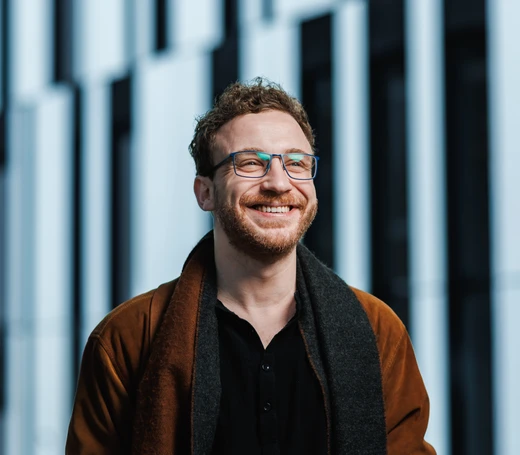
Portrait of Anton Gollwitzer

Anton Gollwitzer

Co-Director, CDI · Host

BI Norwegian Business School · Max Planck Institute for Human Development

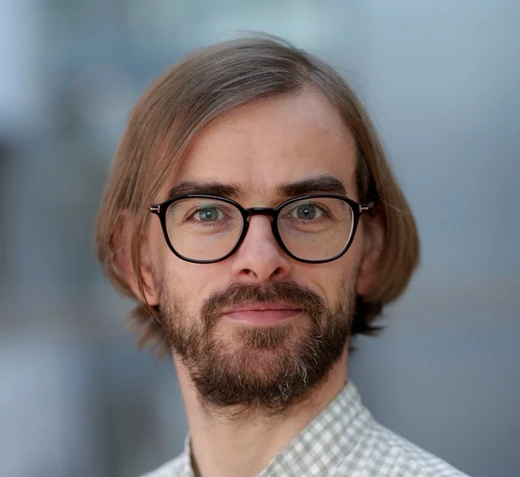
Portrait of Jonas R. Kunst

Jonas R. Kunst

Co-Director, CDI · Host

BI Norwegian Business School

Portrait of Benny Geys

Benny Geys

Main talk

BI Norwegian Business School

Portrait of Maike von Damaros

Maike von Damaros

Early career talk

Europa-Union Deutschland, Landesverband Sachsen e.V.

Portrait of Faisal Feroz

Faisal Feroz

Early career talk

University of Oxford · Nanyang Technological University · BI Norwegian Business School

Practical information

Venue

Auditorium C1-050
BI Norwegian Business School
Nydalsveien 37, 0484 Oslo

Open in Google Maps →

Coffee and pastries will be available from 09:30.

Getting there

BI’s Oslo campus is located next to Nydalen metro station (lines 4 and 5), about ten minutes from the city center.

Attendance

Please RSVP using the link below so that the organizers can plan seating.

Please note that lunch will not be provided. Lunch can be purchased at BI or in the surrounding area.

RSVP →

Contact

Questions about the conference:
contact@democracy-integrity.org

Hosted by CDI co-directors Anton Gollwitzer and Jonas R. Kunst.

Monday, 23 November 2026 · 10:00–15:00

Join us for the opening of CDI