

A Science Policy Forum on the emerging threat of coordinated swarms of malicious AI agents that can infiltrate online communities, fabricate grassroots consensus, and manipulate beliefs at population scale. Because the harms stem from system design, commercial incentives, and governance gaps, the authors prioritize pragmatic interventions at multiple leverage points over voluntary compliance.
A research center at BI Norwegian Business School
Keeping democracies and the information they depend on trustworthy.
Misinformation, political polarization, declining trust, extremist narratives, and AI-driven influence are reshaping elections, policy, and everyday decisions. The Center for Democracy and Information Integrity (CDI) brings together researchers across psychology, political science, communication, economics, law, and data science to understand these forces and build practical tools to counter them.
Explore our researchResearch areas
All researchMisinformation & Belief Formation
Why do people accept or reject political information—and what actually changes their minds?
Polarization, Extremism & Radicalization
What drives division to escalate into hostility, extremism, and support for violence?
Trust & the Stability of Institutions
Why do some democratic institutions hold under pressure while others give way?
AI & the Information Environment
How is AI reshaping political behavior, and how can we measure and counter its misuse?
Watch
Media Talk · Anton Gollwitzer · Oslo Business Forum 2026
Navigating the Dangers of Misinformation
Misinformation poses a serious threat to democracy. When leaders blur fact and fiction, conflict and violence are rarely far behind. How is AI reshaping these dynamics—and how can we protect ourselves?
More videos & pressFeatured publications
All publications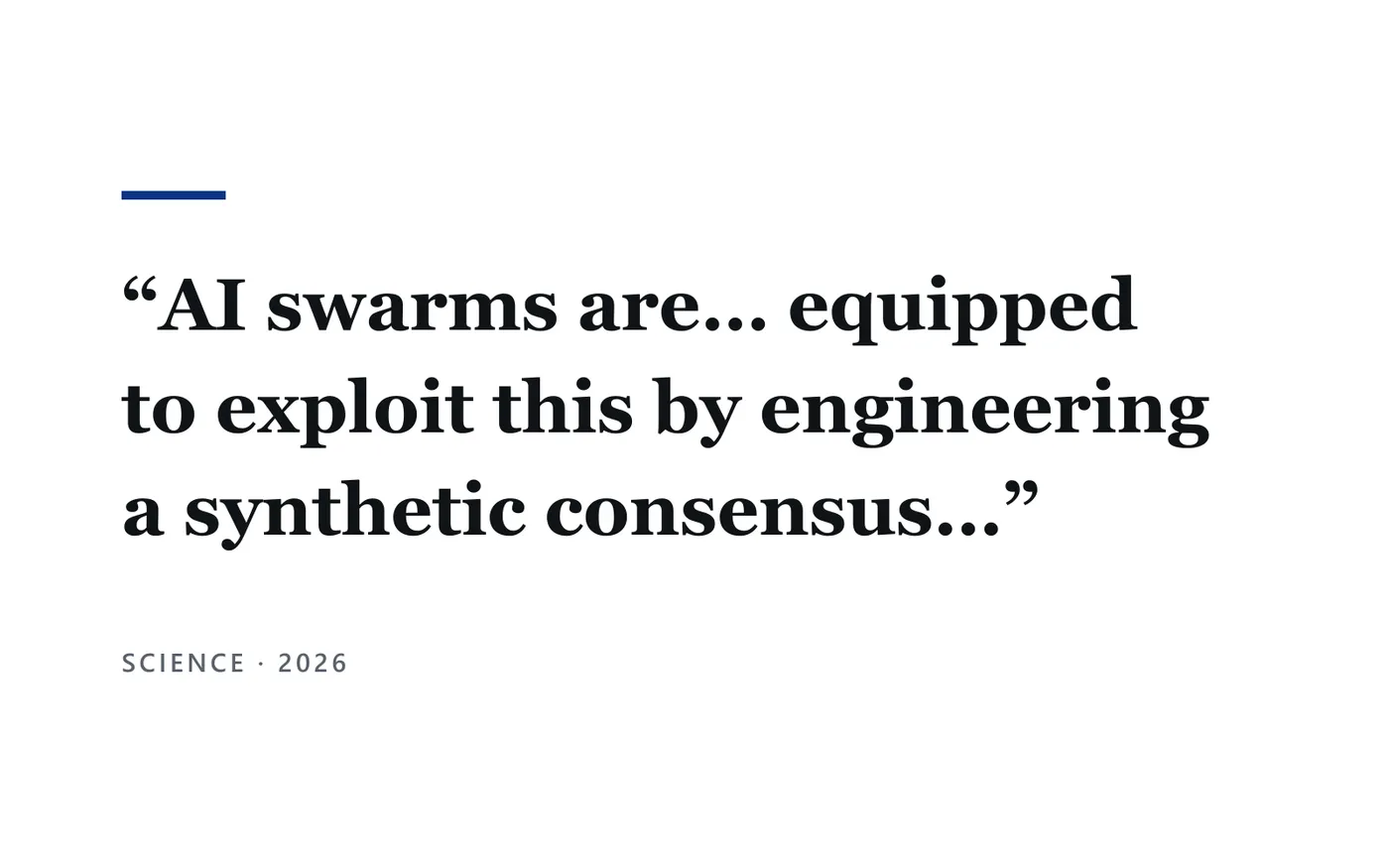
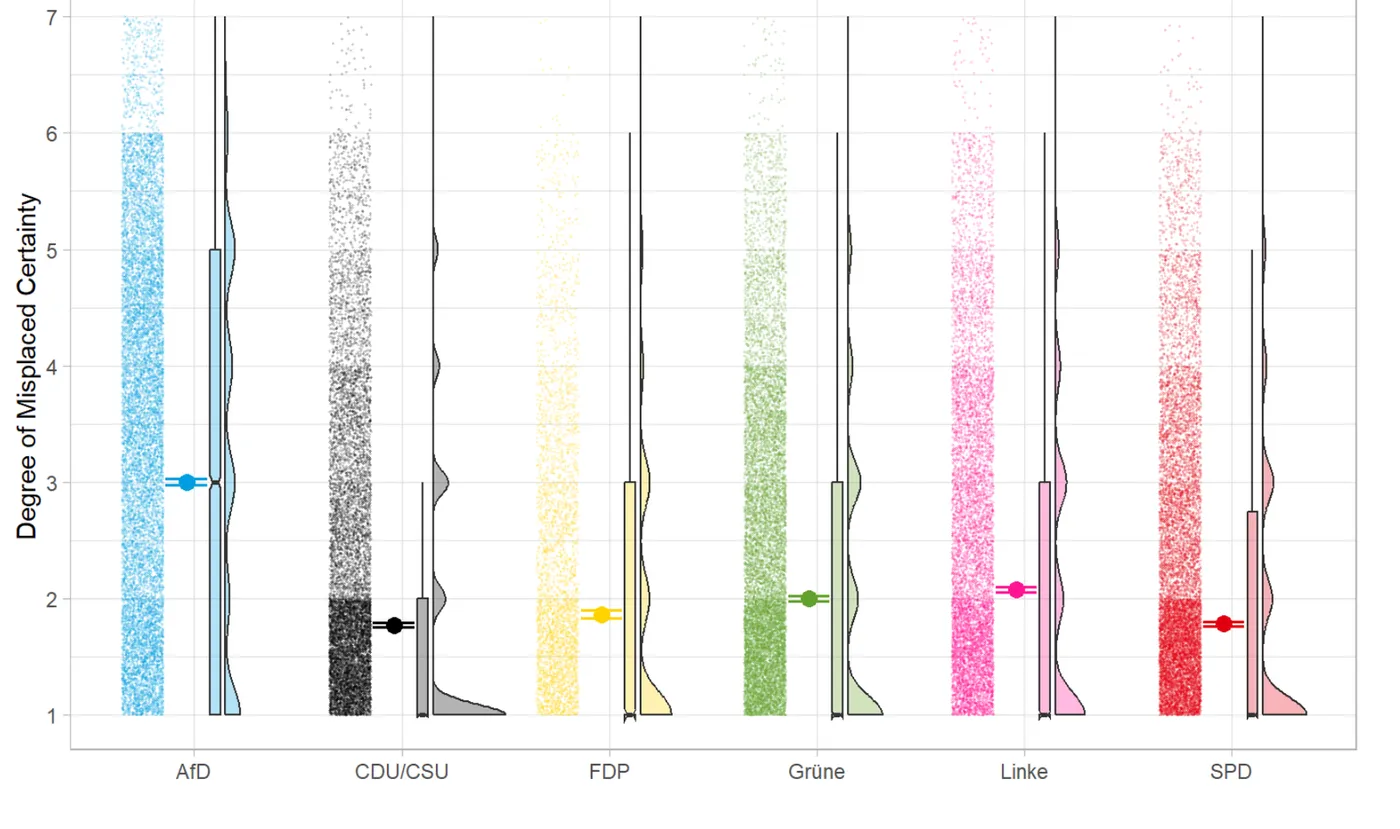
Five preregistered studies—spanning historical analyses, large-scale social-media data, and experiments—ask whether leaders asserting evidence-defying claims as certain fact fuels support for political violence. Misplaced certainty in elite rhetoric tracked later increases in violent political events, spread further online, and experimentally raised support for political violence along with its precursors: affective polarization, moral outrage, and perceived threat.
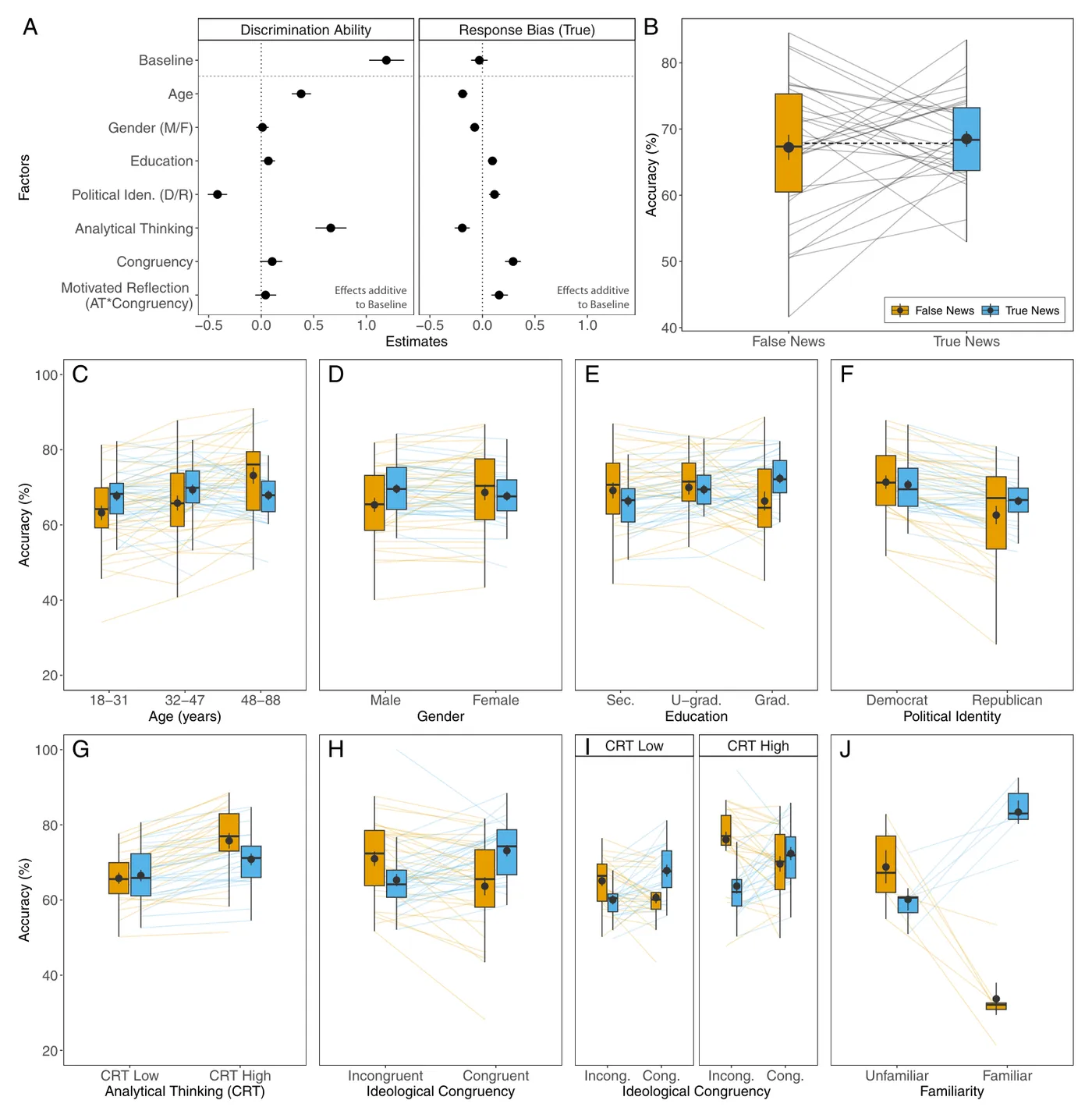
A meta-analysis of 256,337 judgments by 11,561 U.S. participants asking who falls for online misinformation and why. Older adults and analytical thinkers discern true from false news better and err on the side of caution, while people judging ideologically congenial or familiar-feeling news are biased toward believing it.
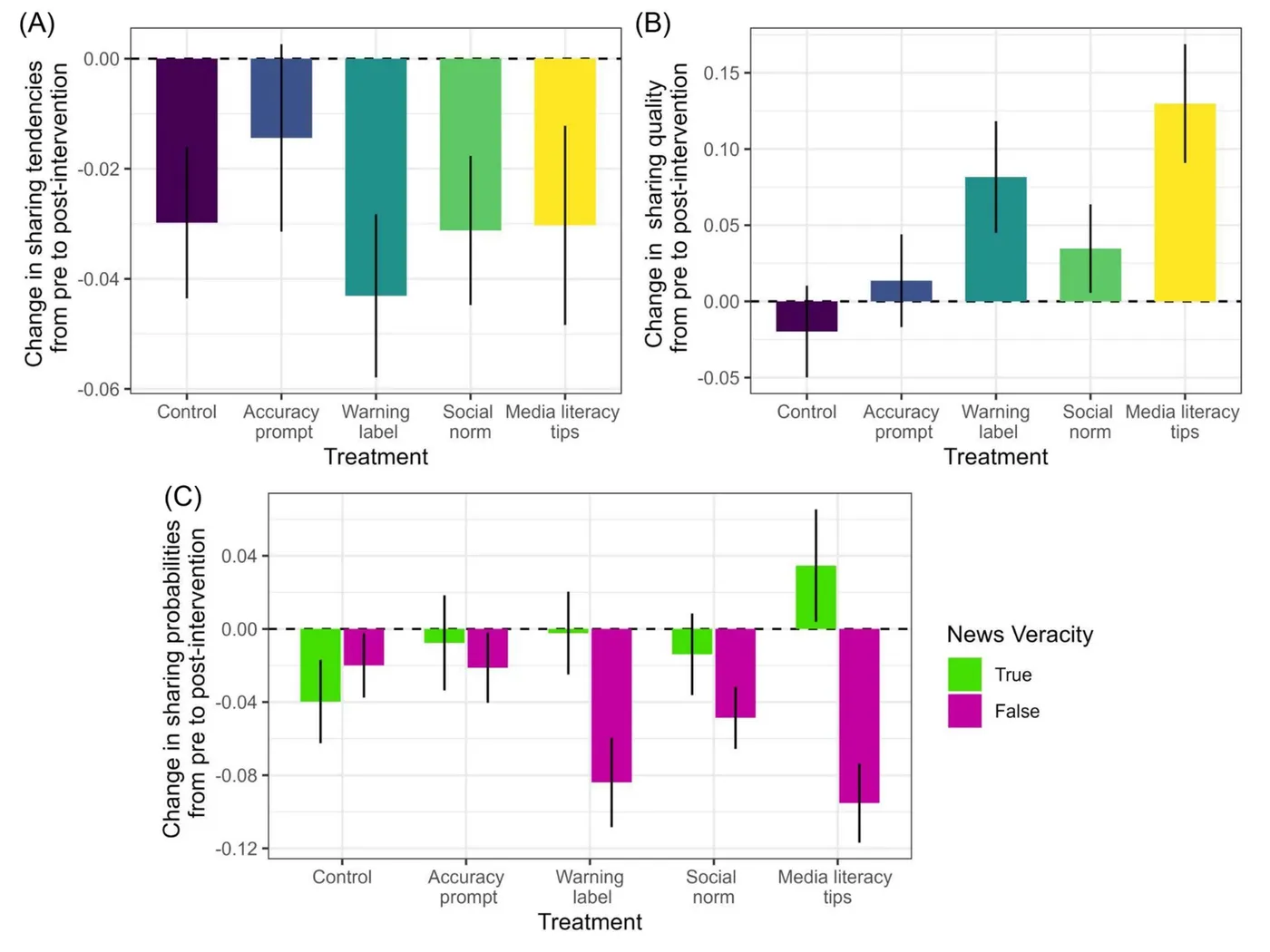
A head-to-head comparison of the leading interventions against false-news sharing, using sharing decisions from over 1,100 U.S. participants and drift-diffusion modeling. Warning labels and media-literacy tips substantially improve the quality of what people share, social-norm cues help modestly, and accuracy prompts only subtly—with each intervention working through a distinct decision-making pathway.
The center
AboutThe Center for Democracy and Information Integrity (CDI) is a research center at BI Norwegian Business School that studies misinformation, political polarization, institutional trust, and AI-driven influence on democratic societies. CDI coordinates expertise across BI that until now has been spread across separate fields, and turns rigorous research into practical tools for policymakers, educators, media, and the public.
About the center Members’ research appears in the world’s leading journals
Nature Human Behaviour · PNAS · Science
Psychological Science · Journal of Experimental Psychology: General
A research center at BI Norwegian Business School · Est. January 2026