

Selected Publications

A curated selection grouped by the center’s four research themes. Click a paper to read its abstract; each member’s full list is on their Google Scholar profile, linked on People.

Misinformation & Belief Formation
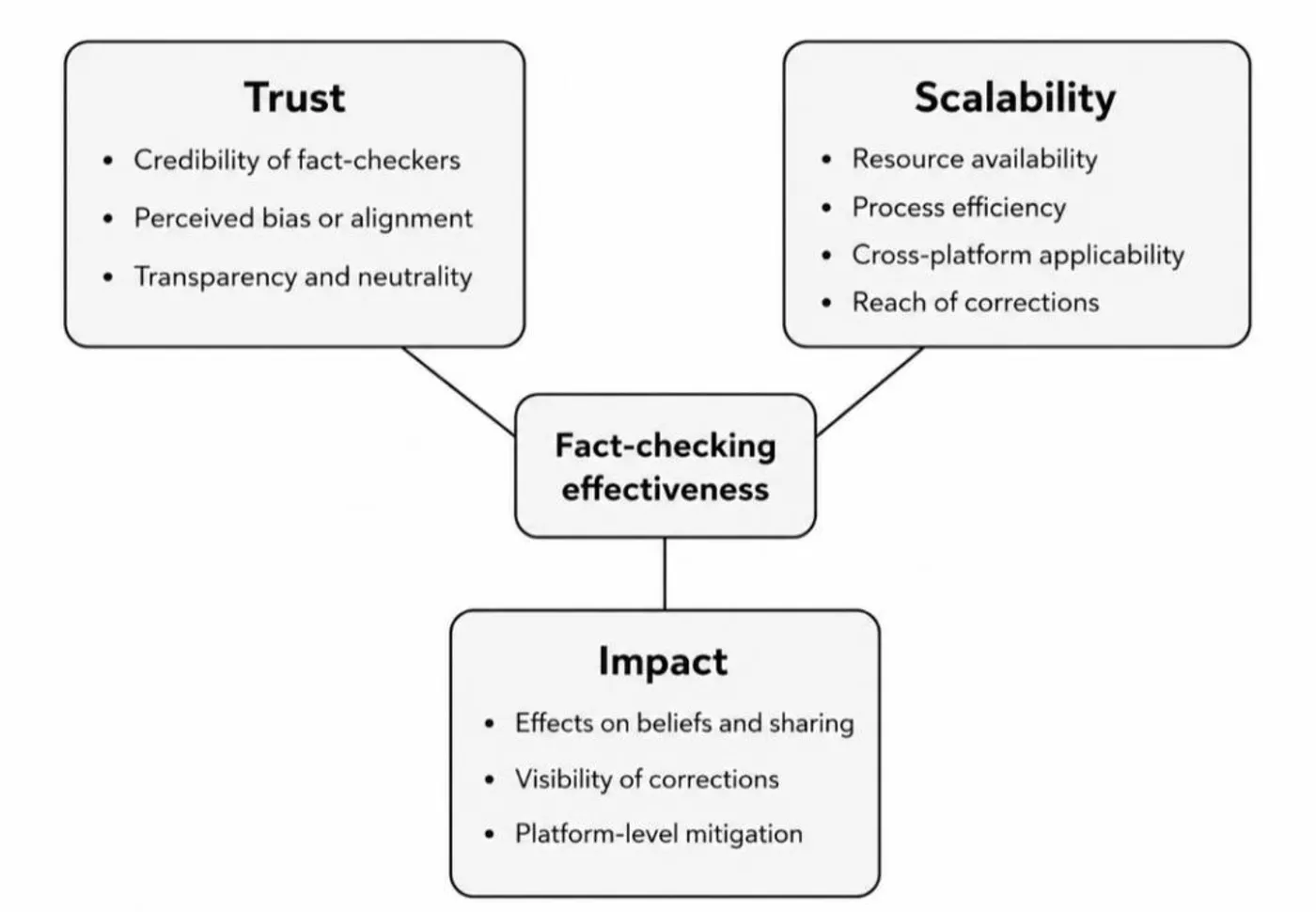
A systematic review of 21 empirical studies of social media fact-checking (2022–2025), prompted by Meta's 2025 shift from professional fact checkers to crowd-sourced annotations. Community-based fact-checking is faster and more scalable, while professional fact checkers are generally more trusted but often slow; neither model alone performs strongly across trust, scalability, and impact. The evidence points to hybrid systems—combining community speed with expert verification—as the most effective approach.

Harvard Kennedy School Misinformation Review · 2026

Professional and community-based fact-checking show different strengths, but neither performs strongly across trust, scalability, and impact

Petter Bae Brandtzaeg et al., with Jonas R. Kunst

Abstract

Fact-checking on social media matters more than ever. When Meta abandoned professional fact checkers in 2025 in favour of crowd-sourced annotations, it bet that community participation could substitute for institutional expertise. Our systematic review of 21 empirical studies of social media fact-checking (2022–2025) suggests the picture is more complicated than it appears. Community-based fact-checking is faster and scalable, whereas professional fact checkers are generally more trusted but often slow. Neither model, on its own, performs strongly across trust, scalability, and impact. The evidence suggests that hybrid systems combining community speed with expert verification are likely to be the most effective approach.

Read the full article ↗ Read more →

Figure from the article: “Professional and community-based fact-checking show different strengths, but neither performs strongly across trust, scalability, and impact”
Figure from the article

A head-to-head comparison of the leading interventions against false-news sharing, using sharing decisions from over 1,100 U.S. participants and drift-diffusion modeling. Warning labels and media-literacy tips substantially improve the quality of what people share, social-norm cues help modestly, and accuracy prompts only subtly—with each intervention working through a distinct decision-making pathway.
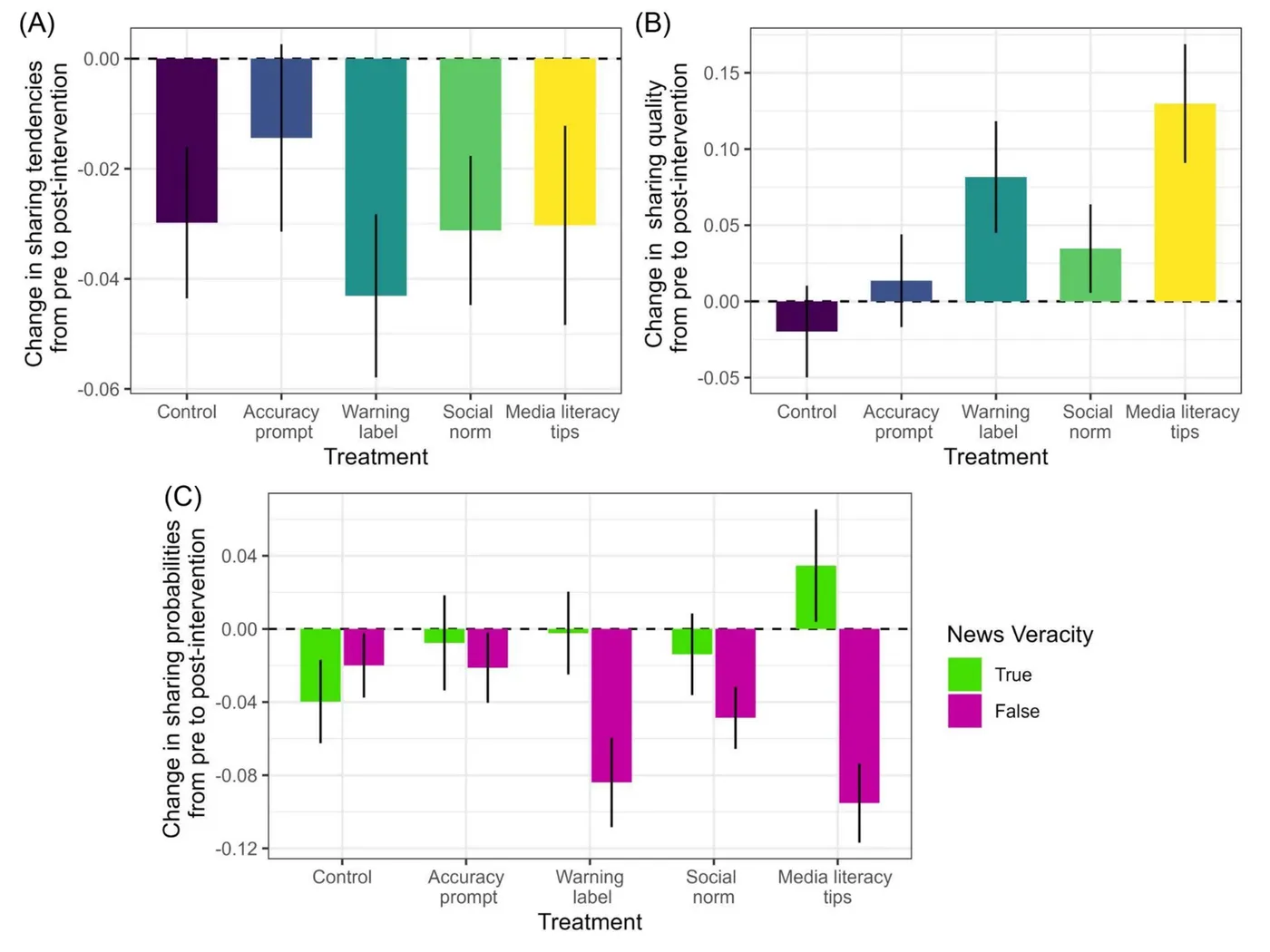
Journal of Experimental Psychology: General · 2026

Toward a mechanistic understanding of false news sharing: Which interventions work best, for whom, and why

Anton Gollwitzer et al.

Abstract

False news—given its capacity to distort public opinion and erode trust—has prompted extensive research on potential countermeasures. Yet, there has been no systematic, comparative, and computational investigation of false news sharing and how best to curb it. To address this gap, we apply a semi-integrative experimental approach that (a) compares multiple existing false news interventions, (b) examines how individual and news-level factors predict false news sharing and shape intervention efficacy, and (c) uses drift-diffusion modeling to uncover the decision-making processes underlying all these effects. We find warning labels and media literacy tips to substantially improve news-sharing quality, whereas social norm cues exert a comparatively modest effect, and accuracy prompts yield only subtle benefits. Although numerous individual factors (e.g., age, political conservatism, social media use) predicted news-sharing quality, the observed intervention effects remained broadly robust across these factors, proving effective even within at-risk populations. Intervention outcomes were likewise robust to news-level variation, such as the believability, sensationalism, and political congruence of news content. Despite this robustness, we find each intervention to operate via distinct decision-making pathways. Warning labels shift initial sharing intentions toward sharing higher quality news, whereas media literacy tips operate later, enhancing the processing of news content and increasing cautiousness before making sharing decisions. By applying a multicomponent experimental framework, this work clarifies the risk factors and decision-making processes driving false news sharing and pinpoints which interventions work best, how they operate at the process level, and in which contexts they should be most effective.

Read the full article ↗ Read more →

Figure from the article: “Toward a mechanistic understanding of false news sharing: Which interventions work best, for whom, and why”
Figure from the article

A meta-analysis of 256,337 judgments by 11,561 U.S. participants asking who falls for online misinformation and why. Older adults and analytical thinkers discern true from false news better and err on the side of caution, while people judging ideologically congenial or familiar-feeling news are biased toward believing it.
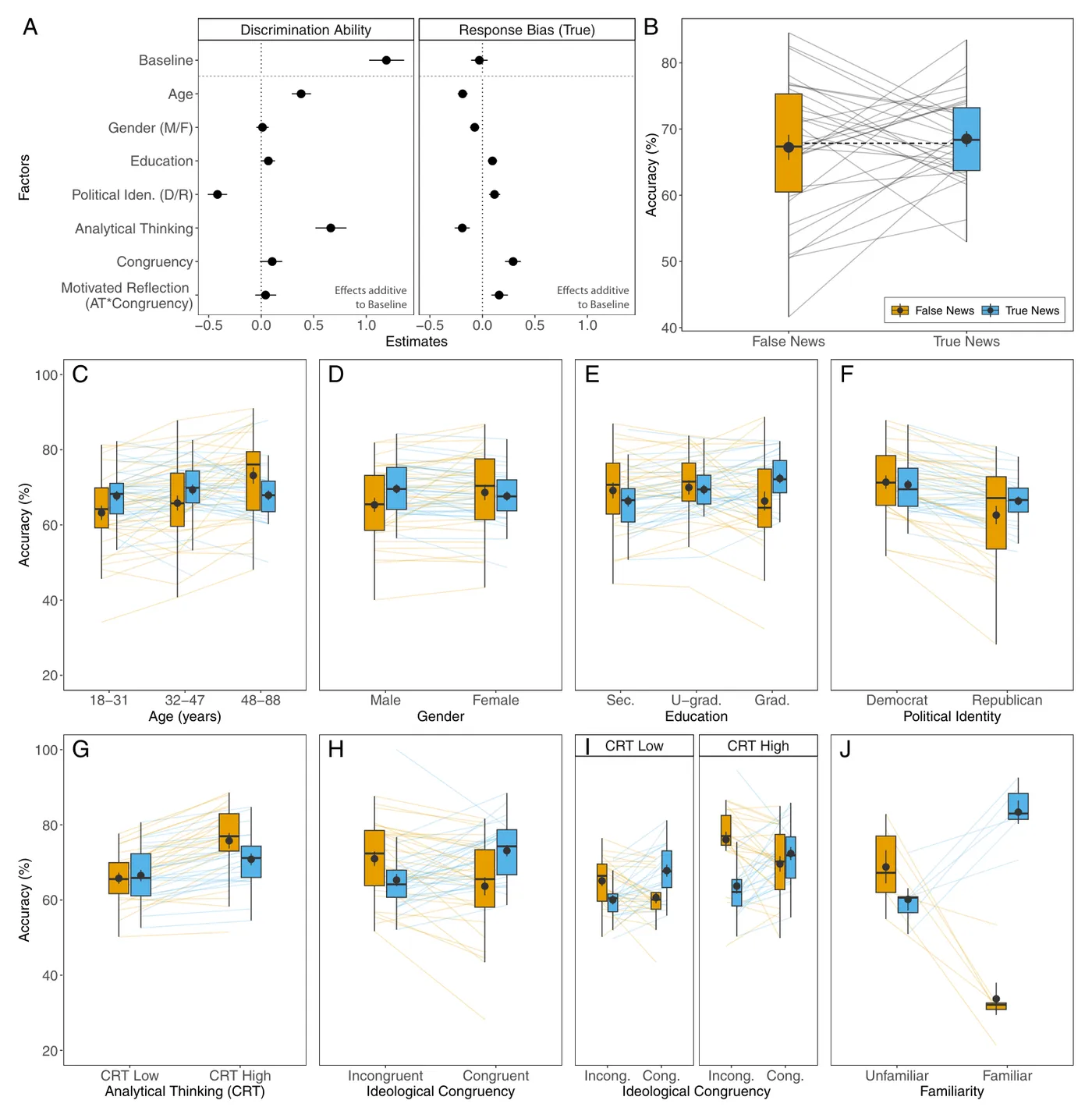
PNAS · 2024

Susceptibility to online misinformation: A systematic meta-analysis of demographic and psychological factors

Mubashir Sultan et al., with Anton Gollwitzer

Abstract

Nearly five billion people use and receive news through social media and there is widespread concern about the negative consequences of misinformation on social media (e.g., election interference, vaccine hesitancy). Despite a burgeoning body of research on misinformation, it remains largely unclear who is susceptible to misinformation and why. To address this, we conducted a systematic individual participant data meta-analysis covering 256,337 unique choices made by 11,561 US-based participants across 31 experiments. Our meta-analysis reveals the impact of key demographic and psychological factors on online misinformation veracity judgments. We also disentangle the ability to discern between true and false news (discrimination ability) from response bias, that is, the tendency to label news as either true (true-news bias) or false (false-news bias). Across all studies, participants were well above-chance accurate for both true (68.51%) and false (67.24%) news headlines. We find that older age, higher analytical thinking skills, and identifying as a Democrat are associated with higher discrimination ability. Additionally, older age and higher analytical thinking skills are associated with a false-news bias (caution). In contrast, ideological congruency (alignment of participants’ ideology with news), motivated reflection, and self-reported familiarity with news are associated with a true-news bias (naïvety). Displaying sources alongside news headlines is associated with improved discrimination ability, with Republicans benefiting more from source display. Our results provide critical insights that can help inform the design of targeted interventions.

Read the full article ↗ Read more →

Figure from the article: “Susceptibility to online misinformation: A systematic meta-analysis of demographic and psychological factors”
Figure from the article

Two studies test whether intellectual humility—an appreciation of one’s intellectual limits—helps people revise false beliefs about vaccines and the 2020 U.S. election. More intellectually humble participants explored more opposing information, which in turn predicted updating away from false beliefs, though the direct effect was modest.
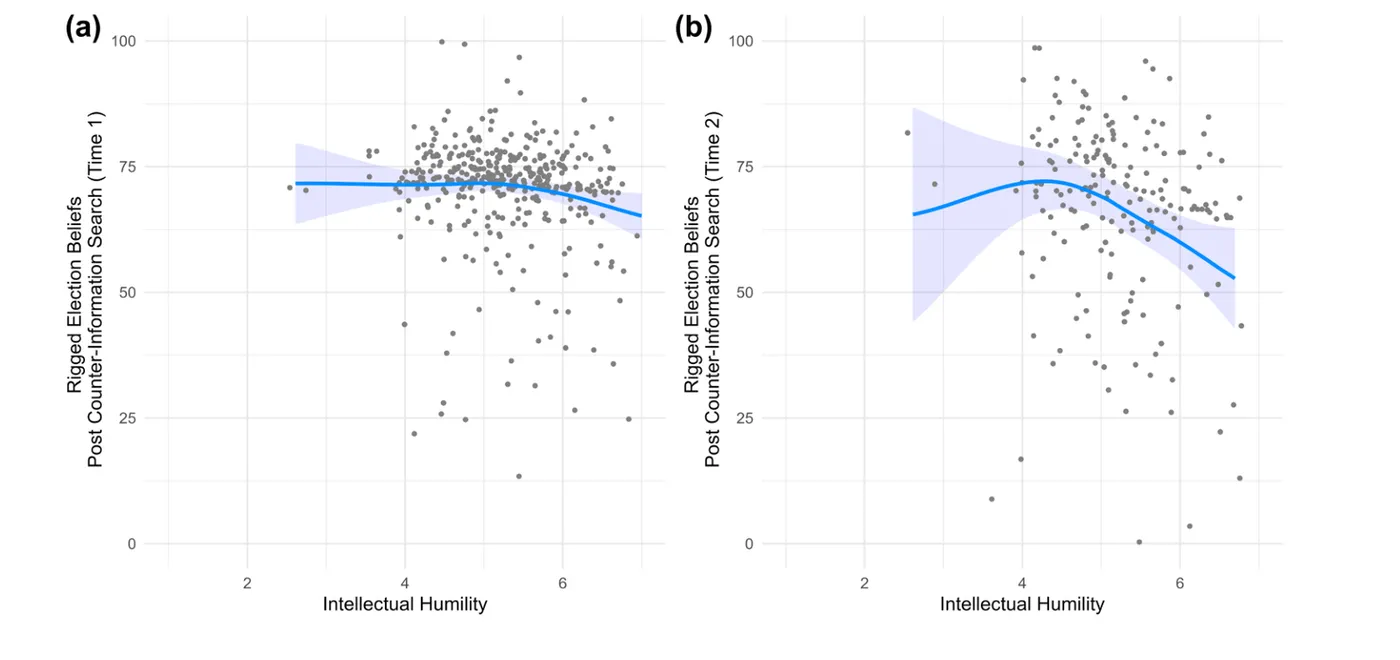
British Journal of Social Psychology · 2024

Intellectual humility as a tool to combat false beliefs: An individual-based approach to belief revision

Anton Gollwitzer et al.

Abstract

False beliefs pose significant societal threats, including health risks, political polarization and even violence. In two studies ( N = 884) we explored the efficacy of an individual‐based approach to correcting false beliefs. We examined whether the character virtue of intellectual humility (IH)—an appreciation of one's intellectual boundaries—encourages revising one's false beliefs in response to counter‐information. Our research produced encouraging but also mixed findings. Among participants who held false beliefs about the risks of vaccines (Study 1) and the 2020 US Election being rigged (Study 2), those with higher IH explored more information opposing these false beliefs. This exploration of opposing information, in turn, predicted updating away from these inaccurate health and political beliefs. IH did not directly predict updating away from false beliefs, however, suggesting that this effect—if it exists—may not be particularly powerful. Taken together, these results provide moderate support for IH as a character trait that can foster belief revision but, simultaneously, suggest that alternate pathways to combat false beliefs and misinformation may be preferred.

Read the full article ↗ Read more →

Figure from the article: “Intellectual humility as a tool to combat false beliefs: An individual-based approach to belief revision”
Figure from the article

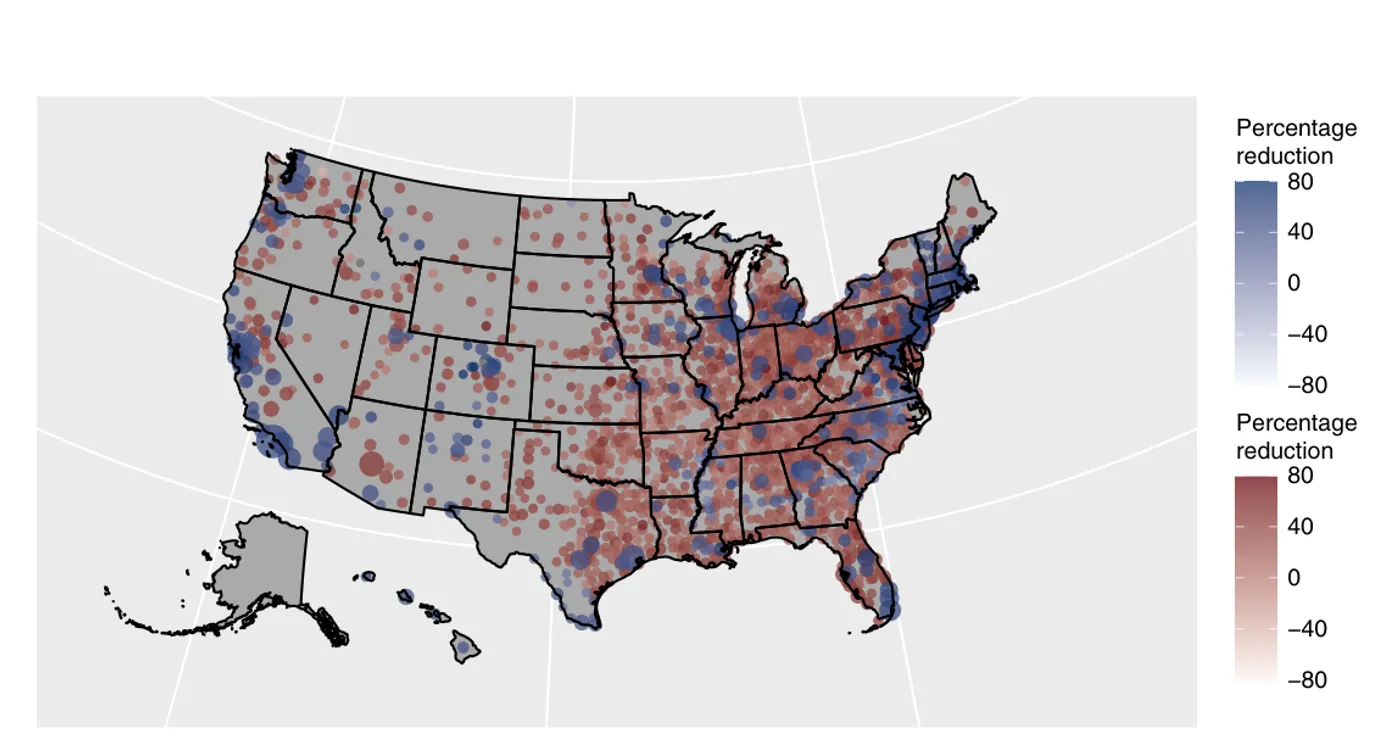
Geotracking data from 15 million smartphones per day show that pro-Trump U.S. counties practiced 14% less physical distancing in spring 2020, a gap that conservative-media consumption helped explain. Reduced distancing in those counties predicted subsequently higher COVID-19 infection and fatality growth.
Nature Human Behaviour · 2020

Partisan differences in physical distancing are linked to health outcomes during the COVID-19 pandemic

Anton Gollwitzer et al.

Abstract

Numerous polls suggest that COVID-19 is a profoundly partisan issue in the United States. Using the geotracking data of 15 million smartphones per day, we found that US counties that voted for Donald Trump (Republican) over Hillary Clinton (Democrat) in the 2016 presidential election exhibited 14% less physical distancing between March and May 2020. Partisanship was more strongly associated with physical distancing than numerous other factors, including counties' COVID-19 cases, population density, median income, and racial and age demographics. Contrary to our predictions, the observed partisan gap strengthened over time and remained when stay-at-home orders were active. Additionally, county-level consumption of conservative media (Fox News) was related to reduced physical distancing. Finally, the observed partisan differences in distancing were associated with subsequently higher COVID-19 infection and fatality growth rates in pro-Trump counties. Taken together, these data suggest that US citizens' responses to COVID-19 are subject to a deep-and consequential-partisan divide.

Read the full article ↗ Read more →

Figure from the article: “Partisan differences in physical distancing are linked to health outcomes during the COVID-19 pandemic”
Figure from the article

Polarization, Extremism & Radicalization

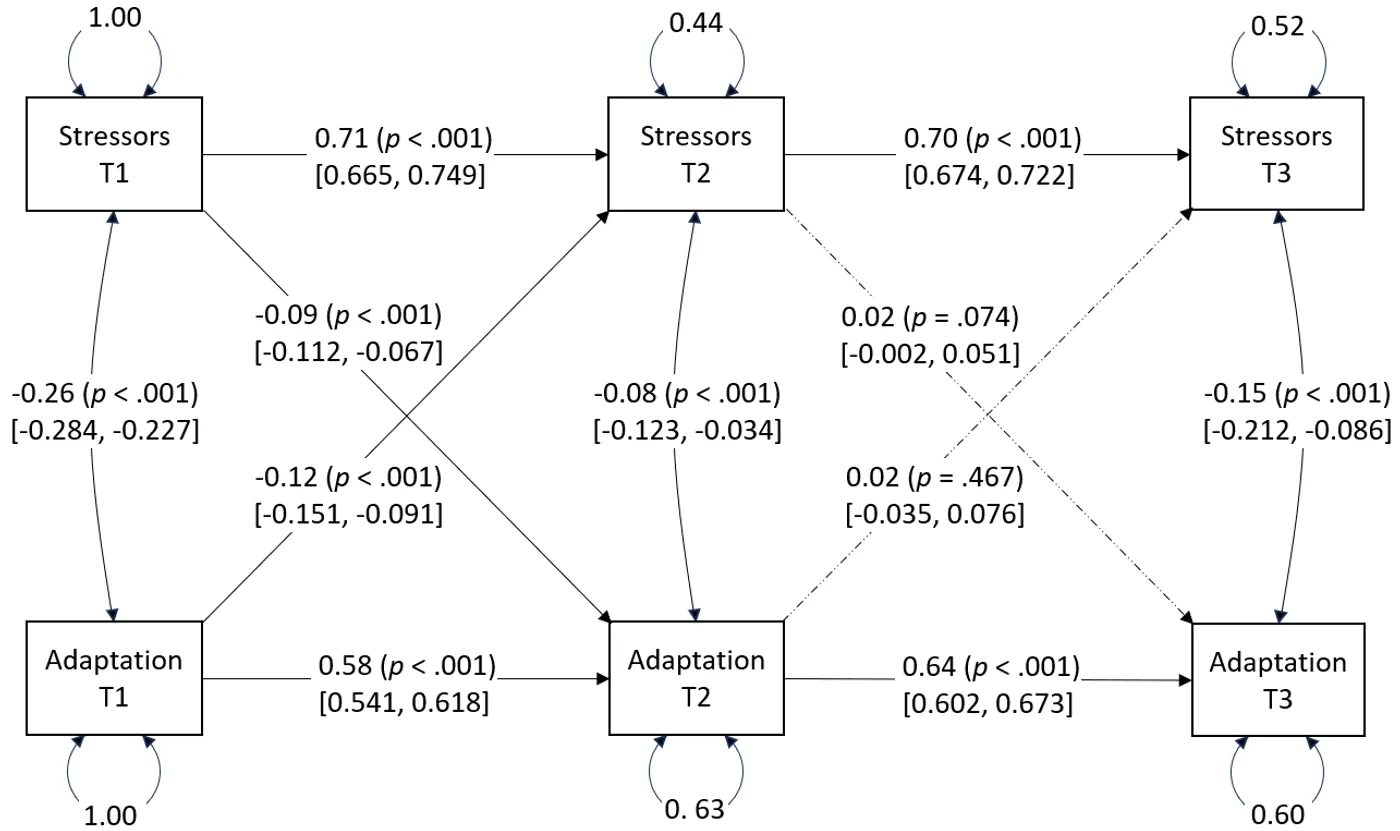
Two pre-registered meta-analyses test how context shapes the link between acculturative stressors and migrants’ adaptation to receiving societies. Drawing on cross-sectional data (k = 229, N = 66,409) and longitudinal data (k = 22, N = 8,555), the study finds that structural conditions such as poverty, inequality, and unemployment intensify stressor–adaptation associations, that moving from collectivistic to individualistic societies strengthens them for socio-cultural adaptation, and that these associations weaken the longer migrants reside in the receiving country.
Preprint · 2026

Meta-Analytic Evidence for an Ecological Account of the Relationship between Acculturative Stressors and Adaptation

Dinh-Hung Vu et al., with Jonas R. Kunst

Abstract

Acculturative stressors, reliably associated with poor migrant adaptation to receiving societies, are highly context-dependent. Yet, how context shapes the stressor-adaptation relationship remains poorly understood. In two pre-registered meta-analyses, we tested the moderating role of structural, cultural, and temporal factors in cross-sectional data (Study 1) and examined the temporal dynamics in longitudinal data (Study 2). Study 1 (k = 229, N = 66,409) modelled origin and receiving country contexts simultaneously to test specific migration routes. Structural factors, such as the receiving country’s poverty, inequality, and unemployment, intensified stressor-adaptation associations. Effects of cultural factors mostly concerned socio-cultural adaptation, most notably stronger stressor-adaptation associations when migrants moved from collectivistic to individualistic societies. For temporal context, longer residence in the receiving country was linked to weaker stressor-adaptation associations. Study 2 (k = 22, N = 8,555) validated the cross-sectional finding that stressor-adaptation associations attenuate over time: effects were stronger and reciprocal at earlier timepoints.

Read the full article ↗ Read more →

Figure from the article: “Meta-Analytic Evidence for an Ecological Account of the Relationship between Acculturative Stressors and Adaptation”
Figure from the article

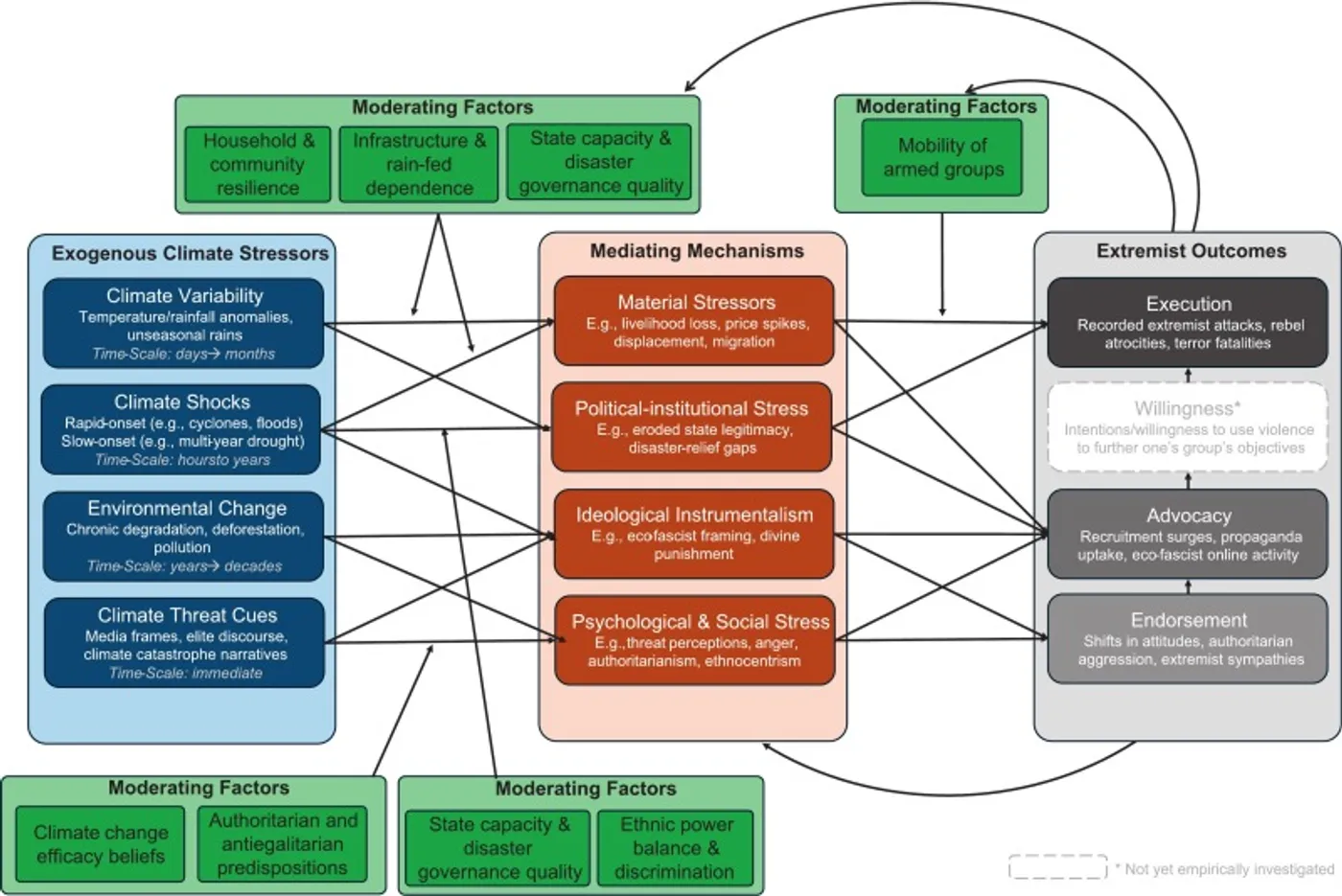
A preregistered systematic review synthesizing 45 cross-disciplinary studies into an integrated model of how climate change links to violent extremism. It finds that climate variability tracks terrorist attack frequency, climate shocks open governance vacuums that extremist organizations exploit, environmental degradation feeds extremist narratives, and climate threat cues raise authoritarian attitudes and out-group hostility—effects moderated by state capacity, community resilience, and pre-existing ideologies. The model treats climate change as a threat multiplier rather than a direct cause, distinguishing extremist endorsement, advocacy, willingness, and execution.
Global Environmental Change · 2026

An integrated model of climate and environmental pathways to violent extremism

Nora C. G. Benningstad et al., with Jonas R. Kunst

Abstract

Climate change and violent extremism represent intersecting global threats, yet their relationship remains under-examined. This preregistered systematic review synthesizes 45 studies across disciplines to develop an integrated conceptual model of climate-extremism pathways based on the current literature. Our synthesis shows that climate variability correlates with terrorist attack frequency, climate shocks create governance vacuums exploited by extremist organizations, environmental degradation fuels extremist narratives, and climate threat cues increase authoritarian attitudes and out-group hostility. These pathways are moderated by various factors including state capacity, community resilience, and pre-existing ideologies. Our proposed Integrative Climate-Extremism Model distinguishes between extremist endorsement (attitudinal support), advocacy (recruitment and propaganda), willingness (behavioral intentions), and execution (violent acts), outlining how each is influenced by different pathways. This synthesis reveals climate change as a threat multiplier rather than direct cause of violent extremism, operating through material, institutional, psychological, and ideological mechanisms. We identify critical research gaps, propose targeted interventions to disrupt climate-extremism pathways, and discuss anticipatory governance strategies.

Read the full article ↗ Read more →

Figure from the article: “An integrated model of climate and environmental pathways to violent extremism”
Figure from the article

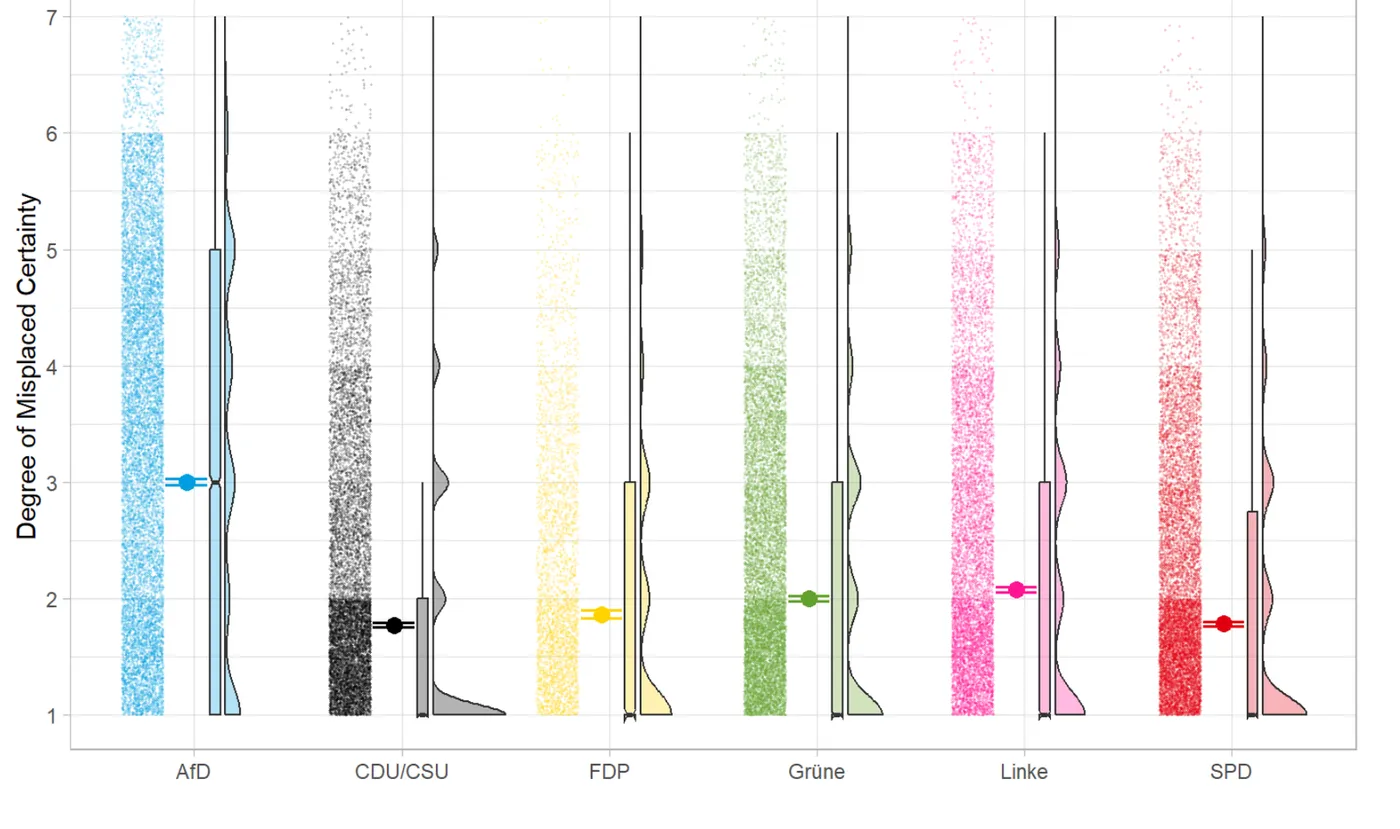
Five preregistered studies—spanning historical analyses, large-scale social-media data, and experiments—ask whether leaders asserting evidence-defying claims as certain fact fuels support for political violence. Misplaced certainty in elite rhetoric tracked later increases in violent political events, spread further online, and experimentally raised support for political violence along with its precursors: affective polarization, moral outrage, and perceived threat.
PsyArXiv (preprint) · 2026

Misplaced Certainty in Elite Political Rhetoric Predicts Support for Political Violence

Anton Gollwitzer, Yooeun Jeong et al.

Abstract

Democracies depend on shared standards of reality. We investigated whether misplaced certainty in political leaders’ rhetoric—the assertion of evidence- and consensus-defying claims as facts—heightens support for political violence. Across five preregistered studies combining historical analyses, large-scale social media data, and experiments, misplaced certainty in elite political rhetoric was associated with subsequent increases in violent political events, predicted greater diffusion and violence-supportive responding online, and experimentally increased support for political violence and its psychological precursors—affective polarization, moral outrage, and perceived threat. These patterns were observed beyond rhetorical certainty and inaccuracy alone, and generalized across diverse political parties, leaders, participant characteristics, and rhetorical features. Together, the findings reveal that the societal consequences of false claims in elite political rhetoric depend not only on their inaccuracy, but on the epistemic stance with which leaders present them.

Read the full article ↗ Read more →

Figure from the article: “Misplaced Certainty in Elite Political Rhetoric Predicts Support for Political Violence”
Figure from the article

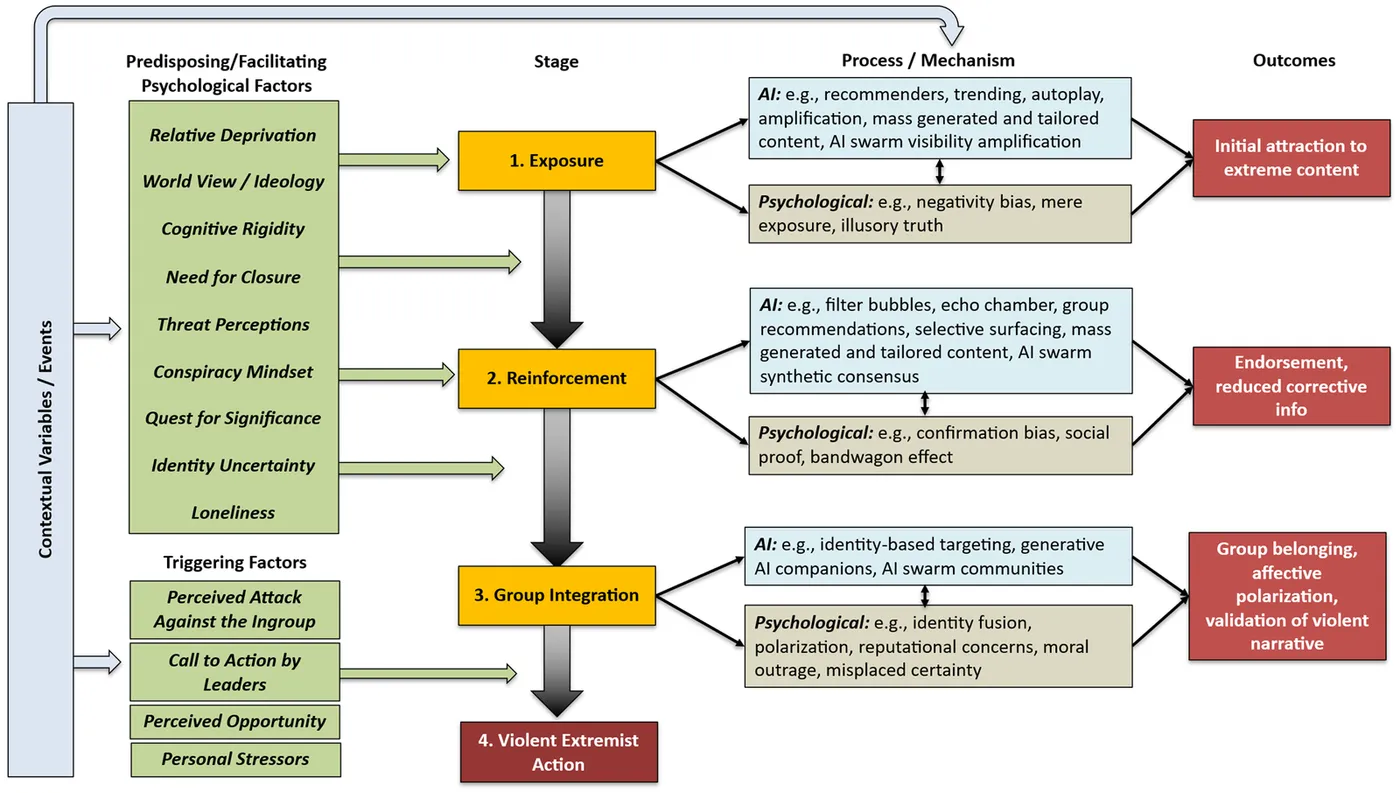
A framework mapping how AI shapes radicalization to violence in four stages: exposure through recommender systems, reinforcement inside filter bubbles, integration into extremist groups aided by bot swarms and AI companions, and finally violent action. The review ties each stage to known psychological risk factors and outlines stage-based options for governance.
Personality and Social Psychology Review · 2026

Intelligent Systems, Vulnerable Minds: A Framework for Radicalization to Violence in the Age of AI

Jonas R. Kunst et al.

Abstract

Advances in AI require a revision of the psychological and socio-technical dynamics by which individuals are radicalized to embrace violent extremism. This review synthesizes process models of radicalization with research on social and personality risk factors, AI, and psychological mechanisms to propose a four-stage framework mapping the AI architecture of radicalization: (1) Exposure, where recommender systems and virality features create initial attraction to extreme content; (2) Reinforcement, where filter bubbles and group recommendations leverage biases to strengthen extremist beliefs and create echo chambers; (3) Group Integration, where ideologically homogenous clusters, AI bot swarms and companions foster group belonging and readiness for action; cumulatively resulting in (4) Violent Extremist Action. We examine how established social, cognitive, personality, and contextual vulnerability factors heighten psychological risk in the AI-driven radicalization process, as well as the emerging role of generative AI. We conclude by outlining a stage-based framework for governance and future research.

Read the full article ↗ Read more →

Figure from the article: “Intelligent Systems, Vulnerable Minds: A Framework for Radicalization to Violence in the Age of AI”
Figure from the article

A review arguing that relative deprivation—the perception that oneself or one’s group is undeservingly worse off than others—is a key driver of contemporary violent extremism. The lens explains violence by low-power groups challenging the status quo, high-power groups defending privilege, and even people acting violently on behalf of out-groups in need.

Current Opinion in Psychology · 2020

Understanding violent extremism in the 21st century: the (re)emerging role of relative deprivation

Jonas R. Kunst & Milan Obaidi

Abstract

Recently, the world has experienced a wave of violent protest, and in particular Islamist and right-wing extremism have become increasing challenges for many societies. We argue that especially the experience of relative deprivation, that is the perception that oneself or one's group is undeservingly worse off than others, can explain various, contemporary forms of violent extremism, including (a) low-power groups' violent attempts to challenge the unequal status quo, (b) high-power groups' violent defense of their privileged position, and sometimes even (c) people's violent attempt to help out-groups in need. In light of recent research and growing social inequalities, we expect relative deprivation to be a key factor driving violent extremism across cultures and contexts in the 21st century.

Read the full article ↗ Read more →

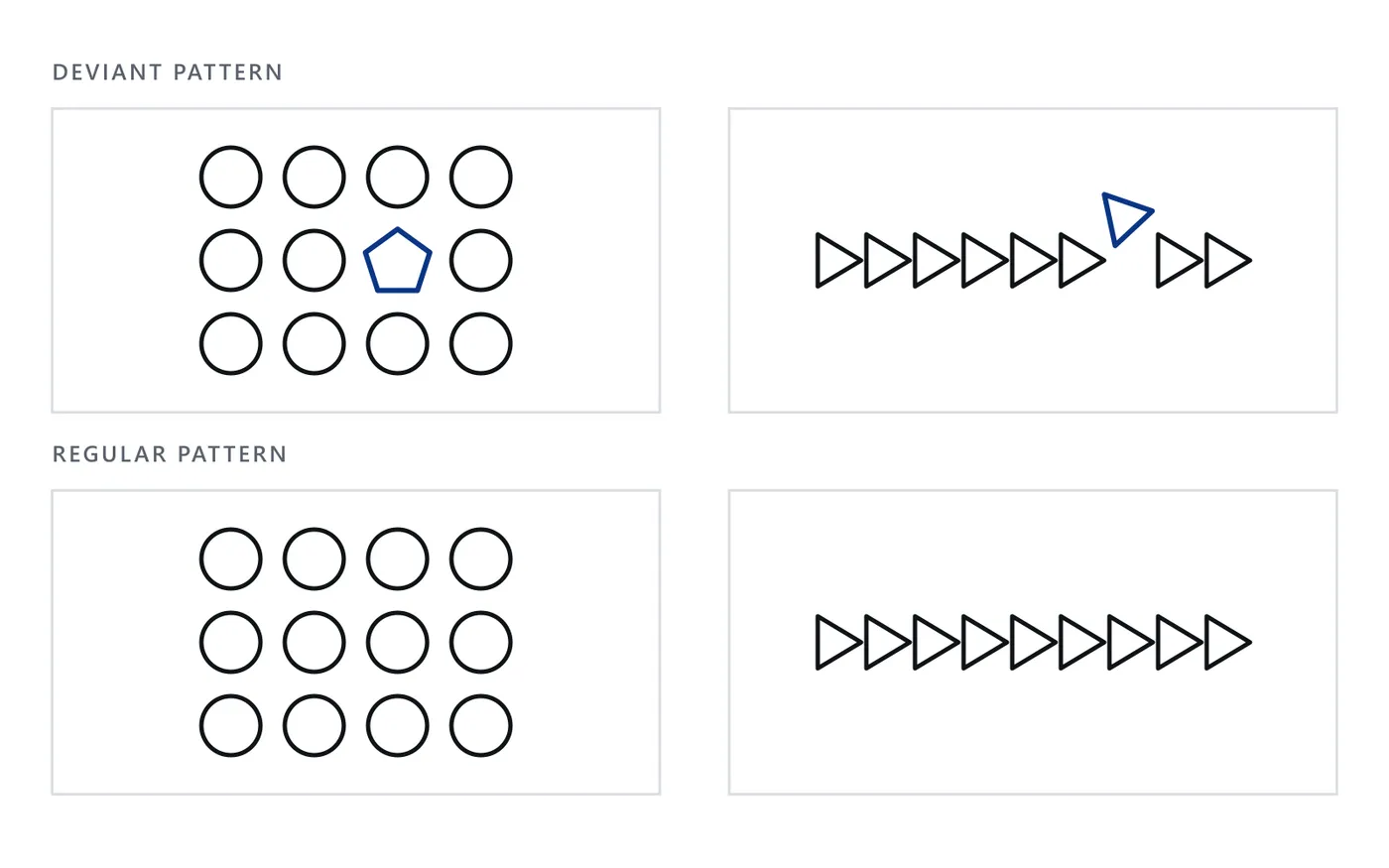
Nine studies (N = 1,821) show that people’s discomfort with broken visual patterns—like a single triangle out of line—predicts social prejudice. The link runs through a dislike of statistical minorities: whoever is rare in a population reads as pattern-breaking, and that aversion feeds prejudice in adults and children alike.
Journal of Experimental Psychology: General · 2020

Pattern deviancy aversion predicts prejudice via a dislike of statistical minorities

Anton Gollwitzer et al.

Abstract

Research has documented an overlap between people's aversion toward nonsocial pattern deviancy (e.g., a row of triangles with 1 triangle out of line) and their social prejudice. It is unknown which processes underlie this association, however, and whether this link is causal. We propose that pattern deviancy aversion may contribute to prejudice by heightening people's dislike of statistical minorities. Infrequent people in a population are pattern deviant in that they disrupt the statistical regularities of how people tend to look, think, and act in society, and this deviancy should incite others' prejudice. Nine studies ( N = 1,821) supported this mediation. In Studies 1.1 and 1.2, adults' and young children's nonsocial pattern deviancy aversion related to disliking novel statistical minorities, and this dislike predicted prejudice against Black people. Studies 1.3 and 1.4 observed this mediation when experimentally manipulating pattern deviancy aversion, although pattern deviancy aversion did not directly impact racial prejudice. Study-set 2 replicated the proposed mediation in terms of prejudice against other commonly stigmatized individuals (e.g., someone with a physical disability). Importantly, we also found pattern deviancy aversion to affect such prejudice. Study-set 3 provided additional support for the mediation model. Pattern deviancy aversion predicted prejudice dependent on group-size, for instance, greater racial prejudice in cases where Black people are the statistical minority, but decreased racial prejudice when Black people are the statistical majority. Taken together, these findings indicate that people's aversion toward pattern deviancy motivates prejudice, and that this influence is partially driven by a dislike of statistical minorities. (PsycInfo Database Record (c) 2020 APA, all rights reserved).

Read the full article ↗ Read more →

Illustration of the study’s pattern stimuli: “Pattern deviancy aversion predicts prejudice via a dislike of statistical minorities”
Illustration of the study’s pattern stimuli

People who struggled more with anxiety, depression, or behavioral problems as teenagers tended to have lower trust in other people and in political institutions by middle age. The pattern also split by type of struggle: early anxiety and depression were linked to more left-wing views in adulthood, while ongoing behavioral problems like acting out were linked to more right-wing views. This suggests that mental health patterns from adolescence onward are connected to distinct political leanings later in life.

Political Psychology · 2026

The mental health–politics nexus: How mental health trajectories from adolescence to midlife shape political attitudes and voting patterns

Sam Fluit, Kinga Bierwiaczonek, Jonas R. Kunst, Tilmann von Soest

Abstract

With political polarization increasing, it is important to understand the development of political preferences. Previously, adolescent mental health problems have been linked to lower adulthood voting rates, while relationships between life trajectories of mental health and political attitudes and orientations remain largely underexplored. Using longitudinal data from the population-based cohort Young in Norway (N = 2215) spanning three decades, we examine associations between adolescent internalizing (depression, anxiety symptoms) and externalizing problems and 12 midlife political preferences. Latent class growth analysis identified three trajectories for internalizing and two for externalizing problems. Elevated levels of either problem type demonstrated significant associations with lower political and social trust in midlife. Elevated initial internalizing problems, regardless of subsequent development, were related to more left-wing profiles. Conversely, persistently elevated externalizing problems showed associations with stronger right-wing profiles. These findings demonstrate that mental health trajectories from adolescence into adulthood are systematically related to distinct political preferences in midlife.

Read the full article ↗ Read more →

Trust & the Stability of Institutions

Proceedings of the National Academy of Sciences · 2026

Compensate peer reviewers; do not conscript them

Daniel A. Gorelick & Jonas R. Kunst

A commentary arguing that scientific peer review should be paid work rather than an unpaid obligation imposed on researchers. The authors contend that compensating reviewers—rather than relying on voluntary or coerced service—would better align incentives, acknowledge the labor involved, and support the quality and sustainability of the review system that scholarly publishing depends on.

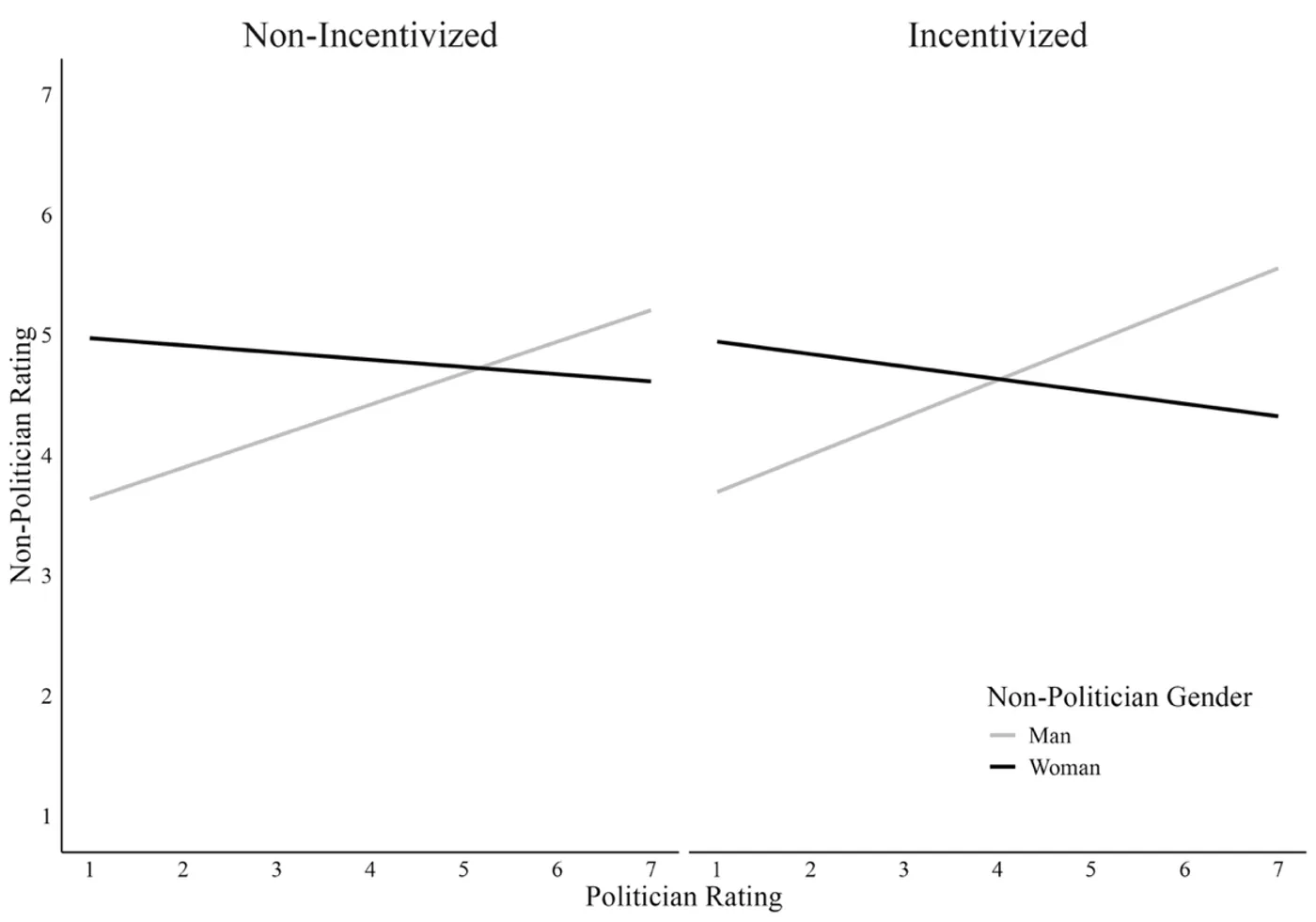
A 42-country, 22,995-participant test of whether gender fair language—such as paired pronouns like “he or she”—can reduce the tendency to stereotype political leaders as more similar to men than women. Participants consistently stereotyped leaders as more male, and this bias was stronger on a novel incentivized community measure, but paired pronouns did not reduce it, suggesting such interventions may have limited reach in the political leadership domain.
PsyArXiv (OSF Preprints) · 2026

Think Political Leader — Think He or She? A Multi-Country Test of a Gender Fair Language Intervention for Stereotype Bias

Inesa Zayets et al., with Suzanne van Gils

Abstract

Women are greatly underrepresented in positions of political leadership around the world. In seeking to explain this underrepresentation, some researchers have pointed to people’s tendencies to stereotype leaders as more similar to men than women as these tendencies can support the belief that women are unsuited to leadership. This project aimed to test whether a subtle linguistic intervention was able to ameliorate this gender bias in political leadership stereotypes across different languages and national contexts (country N = 42, sample N = 22,995). Specifically, this project examined whether gender fair language (e.g., the use of paired pronouns ‘he or she’) can reduce the tendency for people to stereotype political leaders as more similar to men than women. To increase the rigor with which these stereotypes were measured, this project complemented the dominant ‘cheap talk’ measure of personal stereotype content with a novel incentivised community measure of this content. As expected, participants stereotyped political leaders as more similar to men than women; this pattern was stronger on the incentivised measure of community stereotypes. Unexpectedly, there was no evidence that paired pronouns reduced this bias (there was weak exploratory evidence that paired nouns increased participants’ tendencies to stereotype political leaders as more similar to women). This project suggests that the ability of gender fair language interventions to ameliorate gender bias in the political leadership domain may be limited.

Read the full article ↗ Read more →

Figure from the article: “Think Political Leader — Think He or She? A Multi-Country Test of a Gender Fair Language Intervention for Stereotype Bias”
Figure from the article

A widely cited review of aggregate-level research on why voter turnout varies, organizing the evidence on socioeconomic, political, and institutional determinants—from population size and electoral closeness to campaign spending, registration rules, and compulsory voting.

Electoral Studies · 2006

Explaining voter turnout: A review of aggregate-level research

Benny Geys

Abstract

The amount of scholarly attention directed at resolving the question why people turn out to cast a vote is vast. In a research field dominated by empirical studies—such as the one on voter turnout—an overview of where we stand and what we know is not superfluous. Therefore, the present paper reviews and assesses the empirical evidence brought forward through a meta-analysis of 83 aggregate-level studies. We thereby concentrate on the effect of socio-economic, political and institutional variables. The results argue for the introduction of a ‘core’ model of voter turnout—including, among other elements, population size and election closeness—that can be used as a starting point for extending our knowledge on why people vote.

Read the full article ↗ Read more →

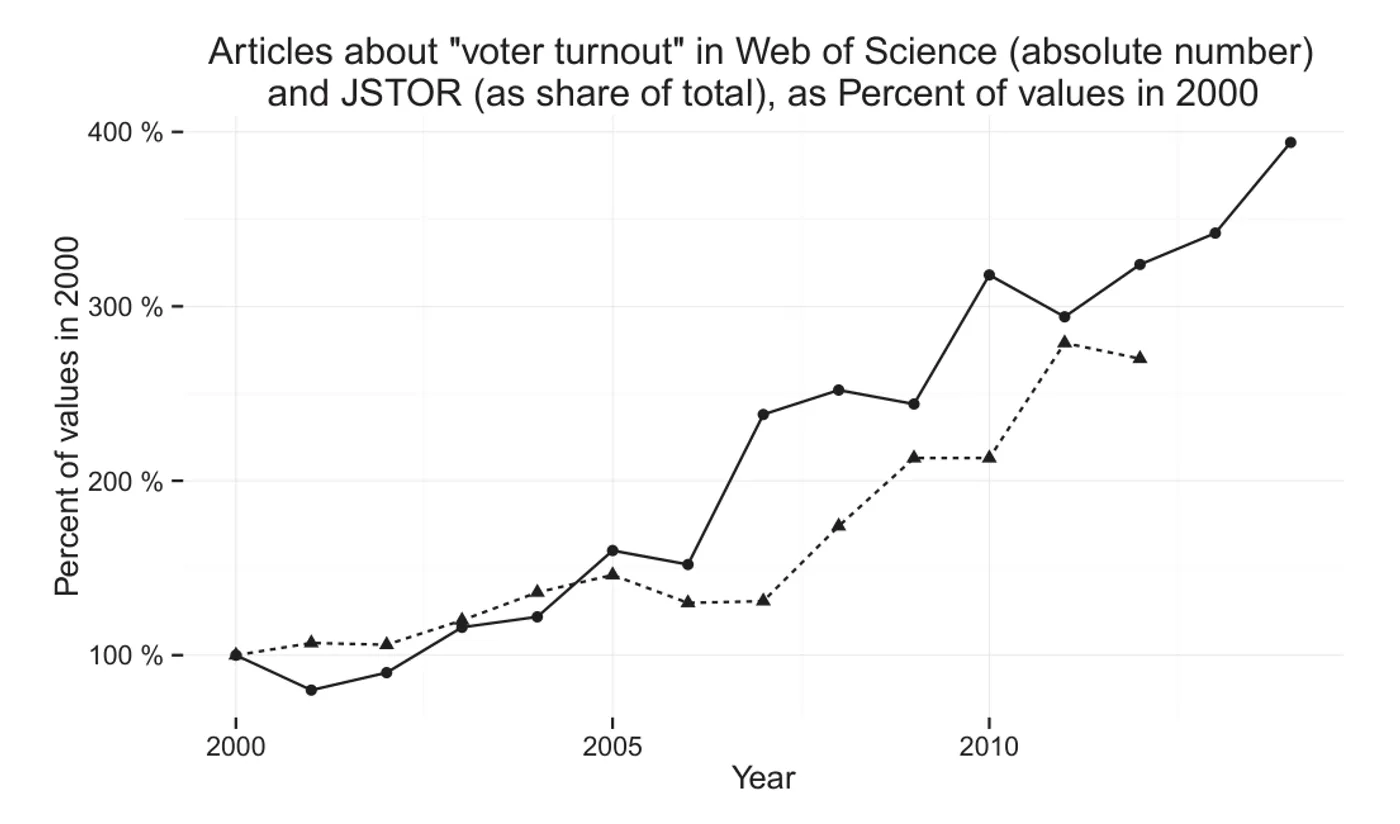
A meta-analysis of 185 aggregate-level studies of voter turnout, comparing what moves participation in national versus subnational elections. Election closeness, campaign spending, and registration and voting rules are among the most consistent predictors, with population characteristics weighing more heavily in local contests.
Electoral Studies · 2016

Explaining voter turnout: A meta-analysis of national and subnational elections

João Cancela & Benny Geys

Abstract

Research about voter turnout has expanded rapidly in recent years. This article takes stock of this development by extending the meta-analysis of Geys (2006) in two main ways. First, we add 102 studies published between 2002 and 2015 to the initial sample of 83 studies. Overall, we document only minor changes to the original inferences. Second, since different processes might conceivably play at different levels of government, we exploit the larger sample to separately analyse the determinants of voter turnout in national versus subnational elections. We find that campaign expenditures, election closeness and registration requirements have more explanatory power in national elections, whereas population size and composition, concurrent elections, and the electoral system play a more important role for explaining turnout in subnational elections.

Read the full article ↗ Read more →

Figure from the article: “Explaining voter turnout: A meta-analysis of national and subnational elections”
Figure from the article

An analysis of democratic backsliding as a gradual, deliberate process of de-democratization inside the EU, drawing on Hungary, Poland, and Romania. It shows why the EU’s tools and political will have proven too limited, leaving the Union caught between inaction that erodes its values and confrontation that risks splitting it.
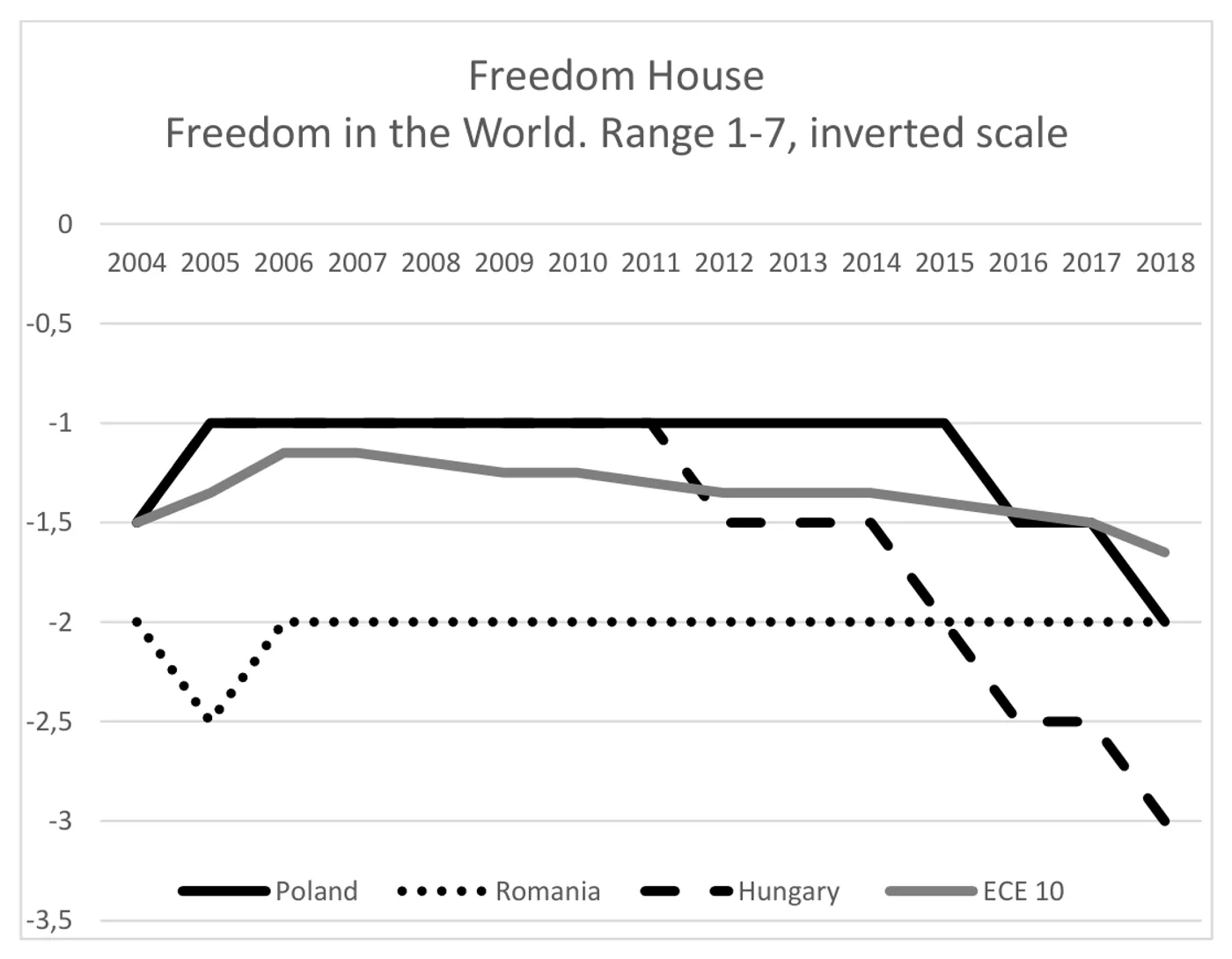
Oxford Research Encyclopedia of Politics · 2019

Democratic Backsliding in the European Union

Nick Sitter & Elisabeth Bakke

Abstract

Democratic backsliding in European Union (EU) member states is not only a policy challenge for the EU, but also a potential existential crisis. If the EU does too little to deal with member state regimes that go back on their commitments to democracy and the rule of law, this risks undermining the EU from within. On the other hand, if the EU takes drastic action, this might split the EU. This article explores the nature and dynamics of democratic backsliding in EU member states, and analyses the EU’s capacity, policy tools and political will to address the challenge. Empirically it draws on the cases that have promoted serious criticism from the Commission and the European Parliament: Hungary, Poland, and to a lesser extent, Romania. After reviewing the literature and defining backsliding as a gradual, deliberate, but open-ended process of de-democratization , the article analyzes the dynamics of backsliding and the EU’s difficulties in dealing with this challenge to liberal democracy and the rule of law. The Hungarian and Polish populist right’s “illiberal” projects involve centralization of power in the hands of the executive and the party, and limiting the independence of the judiciary, the media and civil society. This has brought both governments into direct confrontation with the European Commission. However, the EU’s track record in managing backsliding crises is at best mixed. This comes down to a combination of limited tools and lack of political will. Ordinary infringement procedures offer a limited toolbox, and the Commission has proven reluctant to use even these tools fully. At the same time, party groups in the European Parliament and many member state governments have been reluctant to criticize one of their own, let alone go down the path of suspending aspect of a states’ EU membership. Hence the EU’s dilemma: it is caught between undermining its own values and cohesion through inaction on one hand, and relegating one or more member states it to a second tier—or even pushing them out altogether—on the other.

Read the full article ↗ Read more →

Figure from the article: “Democratic Backsliding in the European Union”
Figure from the article

A study of Euroscepticism in Scandinavian party systems arguing that party positions on European integration are shaped less by ideology alone than by parties’ place in the government–opposition dynamic: where a party sits in the system helps determine how it plays the European question.

West European Politics · 2001

The politics of opposition and European integration in Scandinavia: Is Euro-scepticism a government–opposition dynamic?

Nick Sitter

Abstract

Scandinavian party competition has incorporated divisions over European integration to a greater degree than most West European party systems, but with considerable variation in Norway, Sweden and Denmark. From a comparative politics perspective this raises questions about the relatively high salience of Euro-scepticism in Scandinavian politics, the differences between the three cases and changes over time. The central argument in this article is that Europeanisation of party politics—the translation of issues related to European integration into domestic party politics—is driven by the dynamics of long- and short-term government-opposition competition, and the key driver of change is party strategy. Whether at the centre or extremes of the party system, Euro-scepticism is a product of party competition—and is, both in its origins and development, ‘the politics of opposition’.

Read the full article ↗ Read more →

A multi-source field study (N = 214) of how respectful leadership affects follower performance for female leaders, who face role-incongruity biases. Respectful leadership proved effective for female leaders regardless of follower gender—supporting role-congruity theory over gender-dissimilarity accounts.
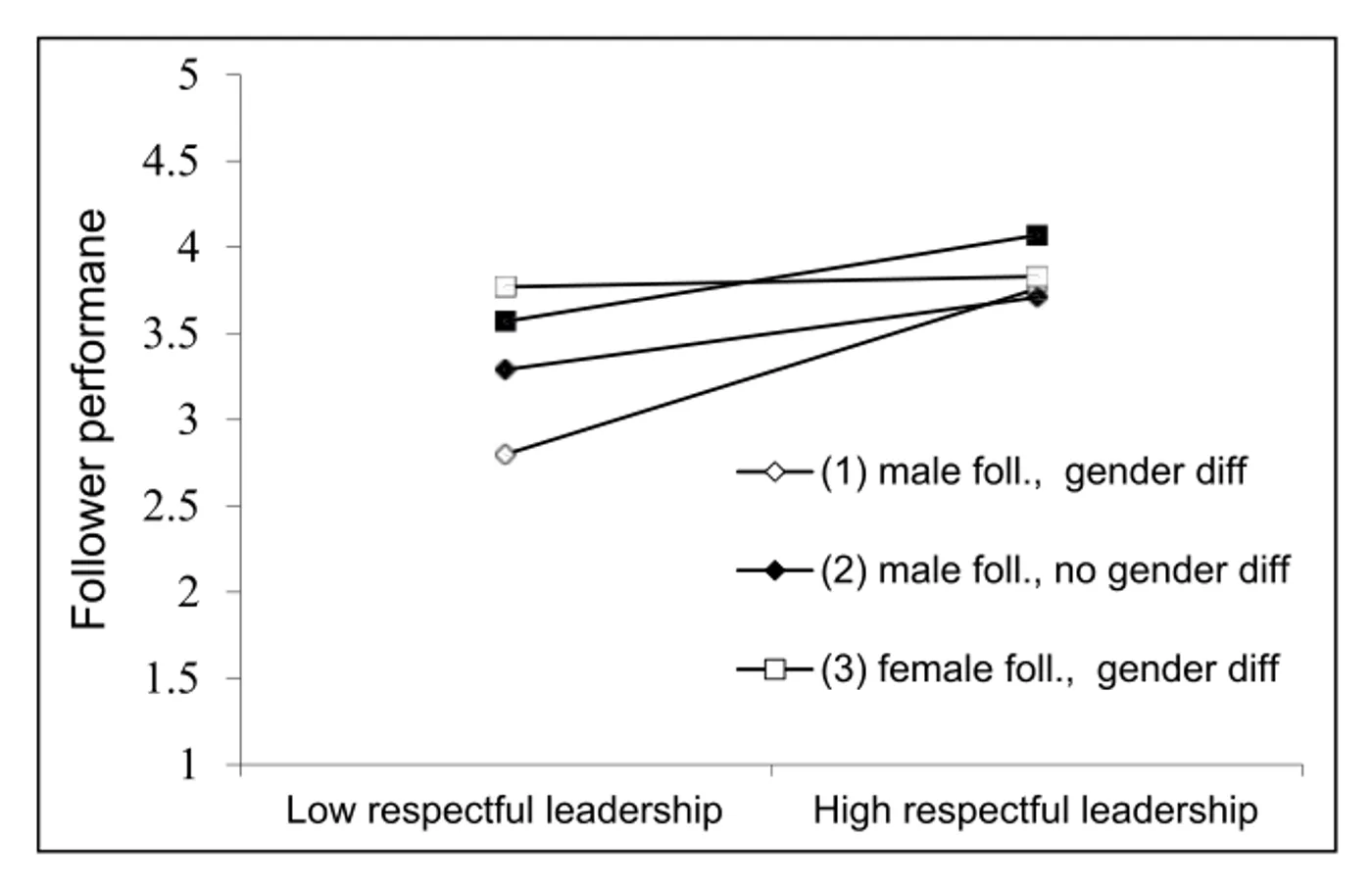
Human Relations · 2018

Respectful leadership: Reducing performance challenges posed by leader role incongruence and gender dissimilarity

Suzanne van Gils et al.

Abstract

We investigate how respectful leadership can help overcome the challenges for follower performance that female leaders face when working (especially with male) followers. First, based on role congruity theory, we illustrate the biases faced by female leaders. Second, based on research on gender (dis-)similarity, we propose that these biases should be particularly pronounced when working with a male follower. Finally, we propose that respectful leadership is most conducive to performance in female leader–male follower dyads compared with all other gender configurations. A multi-source field study ( N = 214) provides partial support for our hypothesis. While our hypothesized effect was confirmed, respectful leadership seems to be generally effective for female leaders irrespective of follower gender, thus lending greater support in this context to the arguments of role congruity rather than gender dissimilarity.

Read the full article ↗ Read more →

Figure from the article: “Respectful leadership: Reducing performance challenges posed by leader role incongruence and gender dissimilarity”
Figure from the article

AI & the Information Environment

Across two preregistered studies (N = 878 U.S. participants), observers rated a writer who either worked unaided or delegated brainstorming, outlining, drafting, editing, fact-checking, or all five tasks to an AI or human assistant. Delegating any single task lowered authorship credit, but by far the steepest “prose penalty” came from handing off the drafting itself—regardless of whether the helper was AI or human—and credit tracked perceived originality rather than effort or skill. Using an AI personalized on the writer’s own prior work partly restored both authorship credit and perceived writing quality.
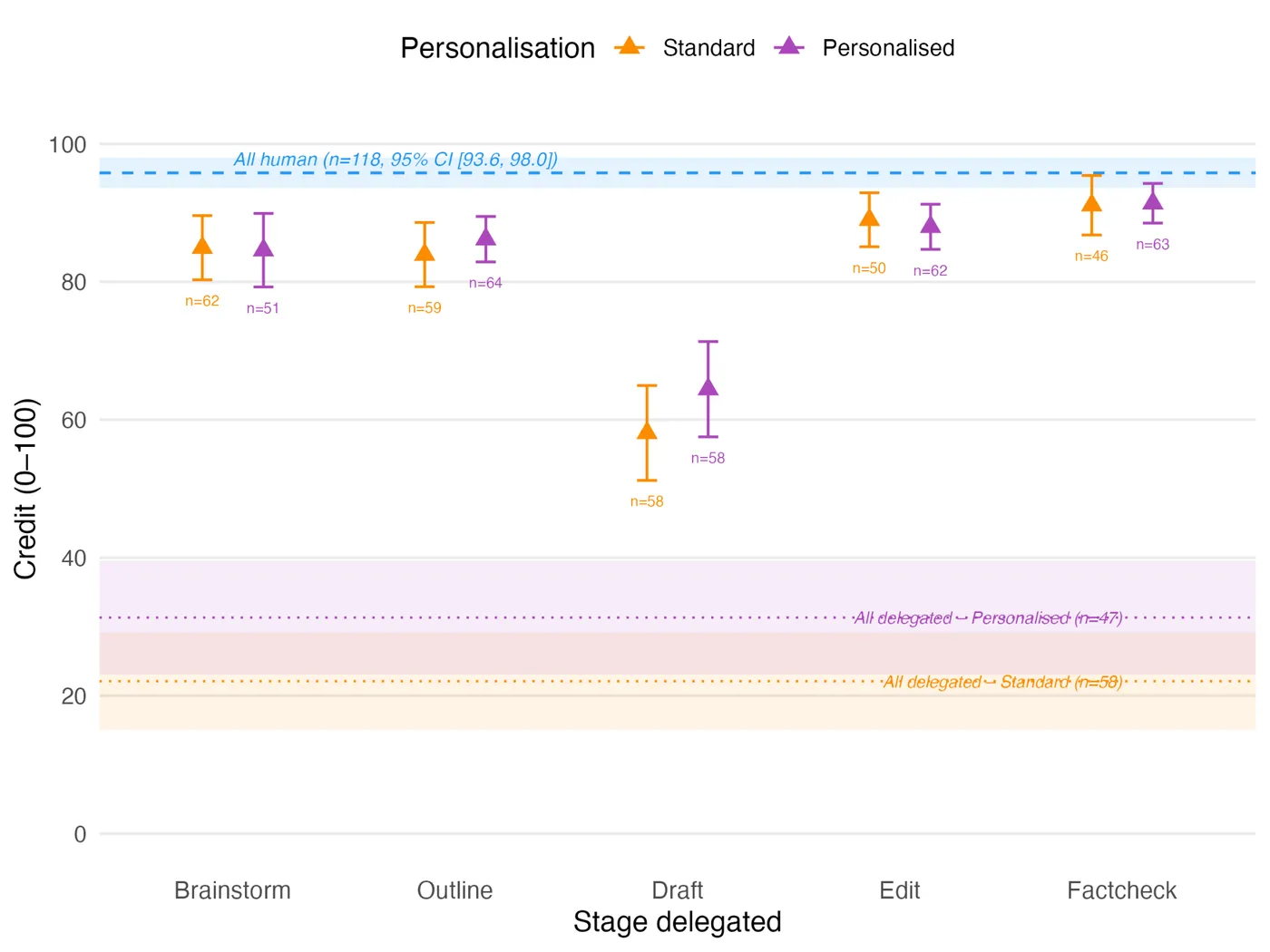
Preprint · 2026

The prose penalty in AI-assisted authorship

Faisal Feroz et al.

Abstract

Generative AI based on large language models (LLMs) is increasingly used in academic, journalistic, and other professional and online writing, yet its implications for human authorship remain contested. We asked whether assignment of authorship credit depends on which task within the larger writing process a writer delegates to an AI assistant; whether any observed credit penalty is unique to AI; and whether credit can be restored through personalization: using an AI trained on one’s own previous writing. Across two preregistered studies (N = 878 US participants), observers evaluated a writer who either wrote unaided or delegated brainstorming, outlining, drafting, editing/revising, fact-checking, or all five tasks to an LLM or human assistant. In Study 1, although delegating a single task reduced authorship credit on average, the largest penalty by far applied to delegated drafting of prose, regardless of whether the helper was human or AI. Only the perceived originality needed for each task was independently associated with differences in credit assignment; perceived effort and skill were not. Perceived writing quality was also lower with LLM than human assistance, despite evaluated passages being randomly drawn from the same pool. In Study 2, using an LLM personalized on the writer’s own prior work increased both authorship credit and perceived writing quality relative to using a standard LLM. These findings show that authorship judgments depended principally on whether the writer produced the prose, regardless of helper type; that credit tracks judgments of originality, rather than effort or skill; and that the “prose penalty” on authorship attributions in AI-assisted writing can be partially reduced through personalization.

Read the full article ↗ Read more →

Figure from the article: “The prose penalty in AI-assisted authorship”
Figure from the article

A forward-looking risk analysis of "malicious AI swarms"—coordinated, persistent, and adaptive multi-agent systems built for influence operations—and what they could mean for hybrid regimes and conflict-affected states in Africa. Drawing on Mali and Ethiopia, it maps how automated influence could infiltrate communities, fabricate consensus, and erode trust in governance, while noting that African-language and training-data asymmetries may both constrain such operations and weaken defenses. The paper proposes a layered governance approach linking technical safeguards, platform accountability, civic institutions, and regional coordination.

arXiv (Cornell University) · 2026

Automated Disinformation and Malicious AI Swarms: Risks for Democracy and Development in Africa

Daniel Thilo Schroeder et al., with Jonas R. Kunst and Johannes Langguth

Abstract

Generative artificial intelligence is reshaping how information is produced, accessed, and circulated, while enabling disinformation campaigns of increasing scale and sophistication. There is currently no clear evidence that fully autonomous AI swarms conduct influence operations at scale, but their enabling capabilities are advancing. We define malicious AI swarms as coordinated, persistent, and adaptive multi-agent systems designed for influence operations, distinguishing them from AI-assisted content production and centrally managed synthetic personas. We examine their implications for hybrid regimes and conflict-affected states in Africa, where institutional constraints and fragile media environments may heighten vulnerability. Drawing on Mali and Ethiopia, we consider how automated influence could infiltrate communities, fabricate consensus, and erode trust in governance and development. The cases illustrate different configurations of state and non-state influence: competing actors in Mali's fragmented information environment, and more organized state-led strategies of narrative management in Ethiopia. African-language and training-data asymmetries may constrain influence capabilities while weakening defensive responses. Hybrid human-AI operations could combine automated scale and adaptation with local knowledge and credibility. This forward-looking risk analysis develops a scenario of increasingly accessible AI-driven coordination, rather than claiming that autonomous swarms are already operating at scale in Africa. We propose a layered governance approach linking technical safeguards to platform accountability, civic institutions, and regional coordination to protect democratic participation, peacebuilding, and development.

Read the full article ↗ Read more →

A new framework, IO Factory, that simulates AI-enabled influence campaigns end to end—from planning and platform action to exposure, interpretation, and adaptation—inside a controlled synthetic platform. Tested across configurations of up to 100,000 agents, it executes campaign timelines at scale and produces inspectable records of exposure and measured shifts in configured belief variables, supporting reproducible research and red-team analysis of coordinated manipulation.
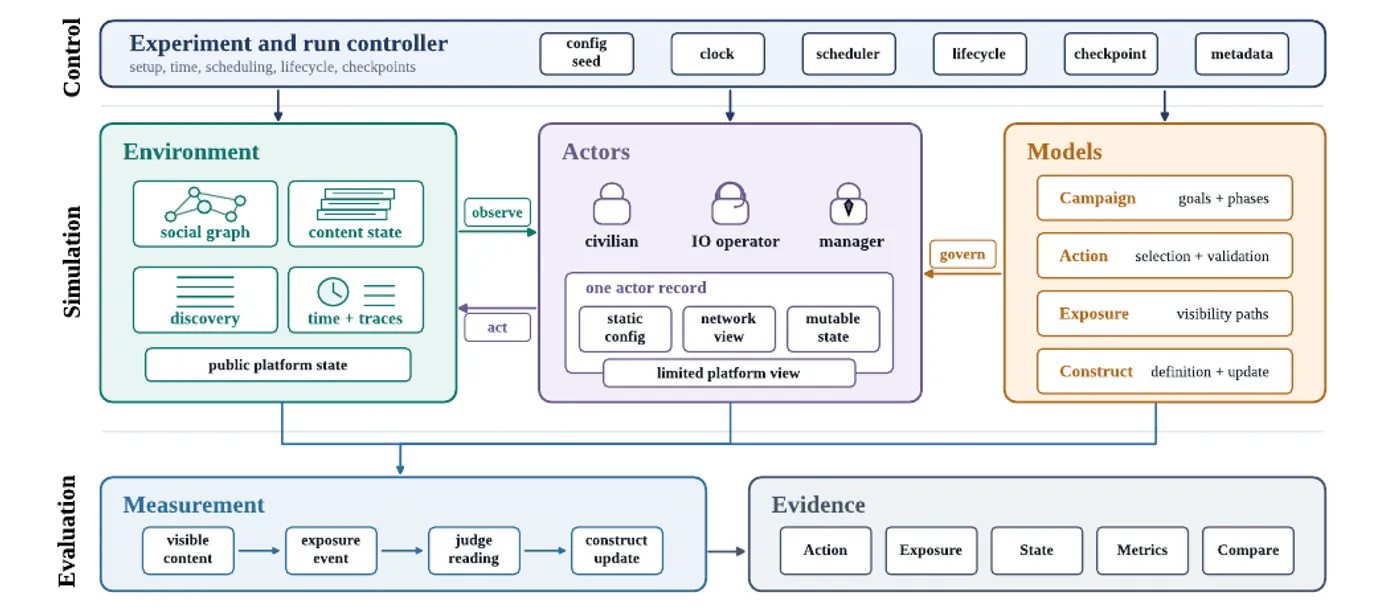
arXiv (Cornell University) · 2026

IO Factory: Simulating AI-Enabled Influence Campaigns at Scale

Łukasz Olejnik et al., with Jonas R. Kunst

Abstract

We introduce IO Factory, an AI-driven framework for simulating information and influence campaigns as fully integrated, traceable processes. The threat of digital manipulation now extends beyond persuasive text from individual language models to AI swarms, i.e., persistent groups of coordinated agents that adapt to platform feedback and disguise organized campaigns as ordinary social interaction. Because such campaigns cannot be identified from isolated messages alone, they must be analyzed across a continuous spectrum of planning, platform action, exposure, interpretation, measurement, and adaptation. IO Factory represents this process inside a controlled simulated platform, linking actor roles, platform actions, exposure records, structured model-based evaluations, and configured changes in the simulated population. We implement the architecture and evaluate it across configurations of up to 100,000 agents. The results show that IO Factory executes campaign timelines at scale and produces inspectable evidence of exposure and measured movement in configured belief variables. By recording the actors, objectives, action constraints, exposure paths, and measurement rules used in each run, IO Factory supports reproducible research and red-team analysis of coordinated influence.

Read the full article ↗ Read more →

Figure from the article: “IO Factory: Simulating AI-Enabled Influence Campaigns at Scale”
Figure from the article

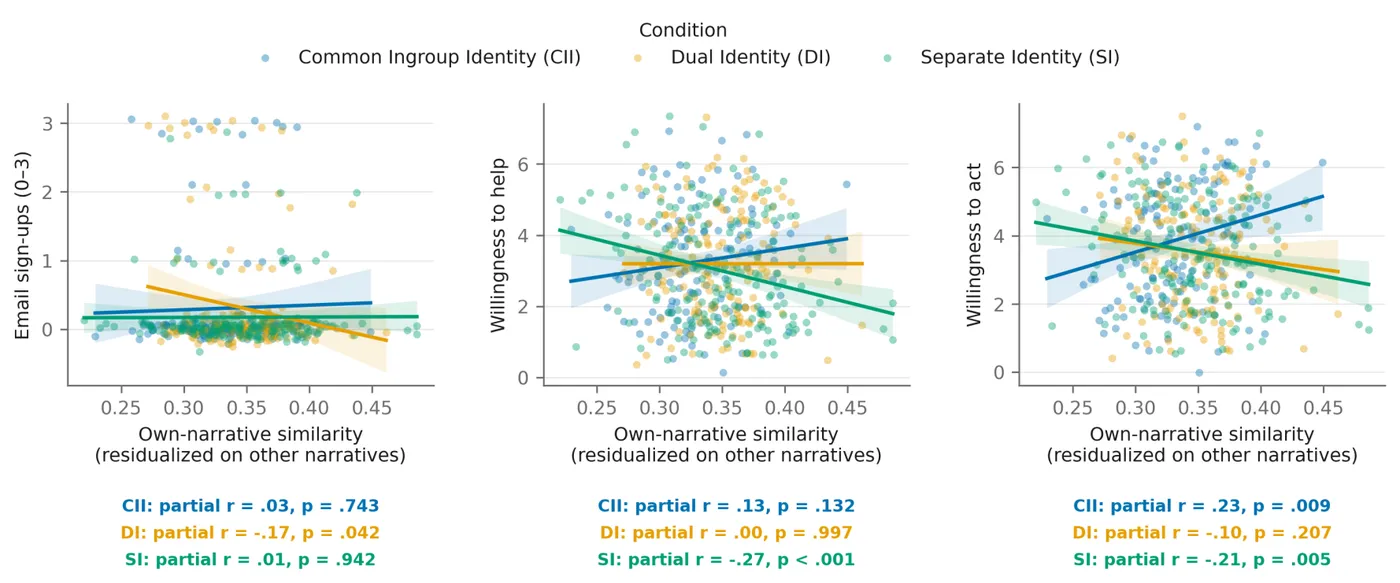
A preregistered experiment with 658 non-Latine White U.S. adults tested whether five rounds of dialogue with a large language model (GPT-4o) could shift how majority-group members categorize Latine immigrants. Conversations framing a common or dual identity lowered separate categorization and raised willingness to act, though direct effects on behavior and pro-diversity beliefs were nonsignificant—highlighting the gap between cognitive recategorization and action.
arXiv (Cornell University) · 2026

Can Conversational AI loosen Us-Versus-Them Boundaries? The Effects of Common, Dual, and Separate Identity Framings on Pro-Immigrant Intergroup Helping

Oluwadamilola Jeboda et al., with Jonas R. Kunst

Abstract

Rising immigration has intensified intergroup tensions in many countries. Traditional bias-reduction programs remain difficult to scale and increasingly constrained by U.S. policy. This preregistered experiment tested whether conversational AI can shift how majority-group members categorize and relate to Latine immigrants. Drawing on the common ingroup identity model, a quota-representative national sample of 658 non-Latine White U.S. adults completed five rounds of dialogue with a LLM (GPT-4o). The model was instructed to frame Latine immigrants in terms of a common ingroup identity (a shared American identity), a dual identity (both Latine and American), or a separate identity (distinct cultural boundaries), or to discuss an unrelated topic in a control condition. The manipulations altered categorization: relative to control, common ingroup identity and dual identity conversations lowered separate categorization, and dual identity conversations raised dual categorization. Although direct effects on behavior and pro-diversity beliefs were nonsignificant, willingness to act was significantly higher in the conditions emphasizing a superordinate identity (common ingroup and dual identity). A path model further revealed indirect associations: both conditions reduced separate categorization, which in turn correlated with greater willingness to act. Semantic similarity analyses of the transcripts confirmed that conversations tracked their assigned narratives; participants' convergence with shared-identity language related positively, and with separate-identity language negatively, to willingness to act. These effects were largely consistent across moderators (need for closure, openness to experience, and political orientation). The findings show that brief AI conversations can loosen us-versus-them boundaries while underscoring the gap between cognitive recategorization and behavior.

Read the full article ↗ Read more →

Figure from the article: “Can Conversational AI loosen Us-Versus-Them Boundaries? The Effects of Common, Dual, and Separate Identity Framings on Pro-Immigrant Intergroup Helping”
Figure from the article

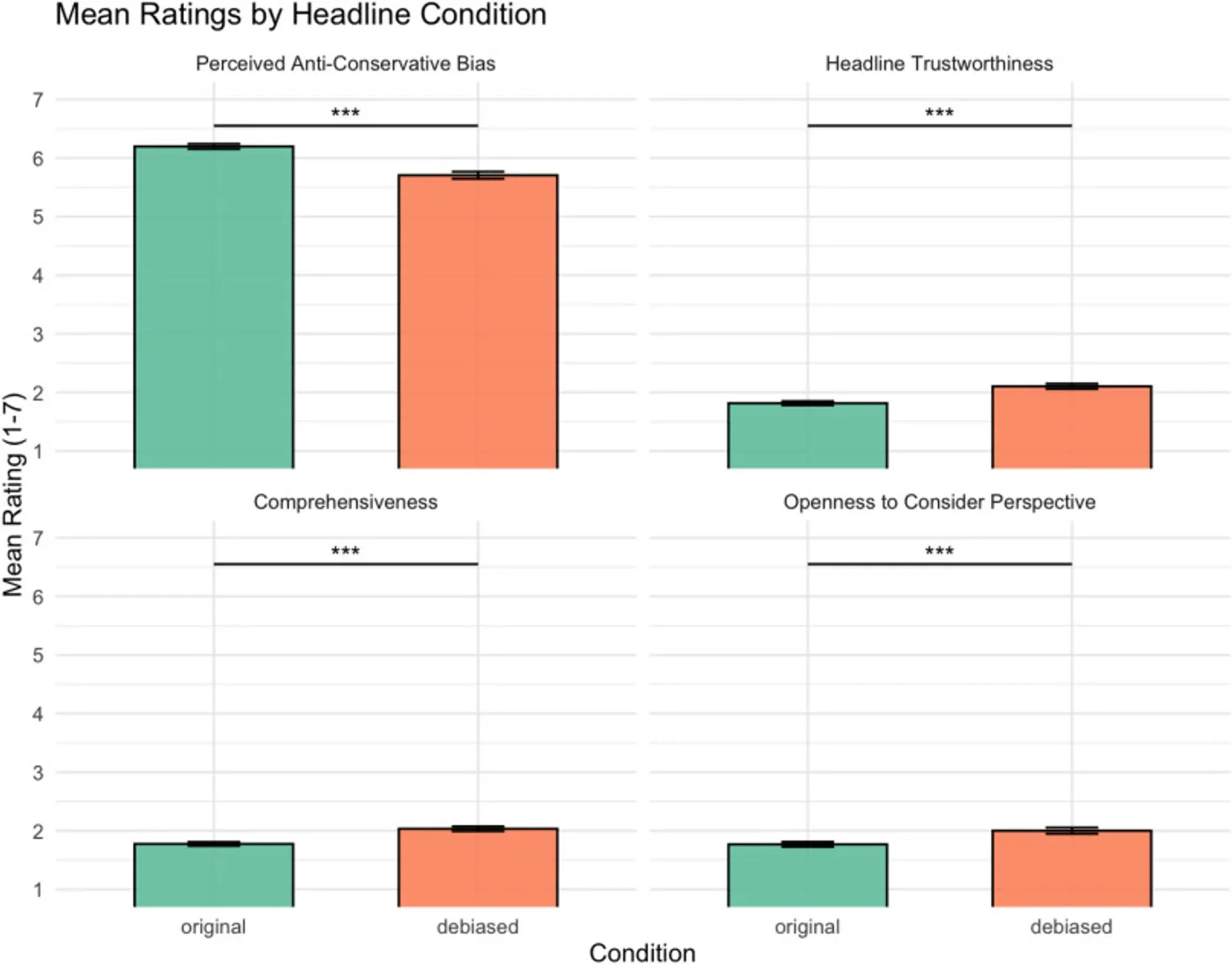
Two pre-registered experiments tested whether LLM-generated debiasing of liberal news headlines could improve conservative readers' trust-relevant judgments. Subtle lexical swaps (replacing emotive words with moderate synonyms) had no effect, but a more substantive reframing intervention significantly raised conservatives' perceived trustworthiness, sense of completeness, and willingness to engage—without a backfire among liberals. Across six models used to simulate "silicon participants," the LLMs overstated their own effectiveness and misjudged who would respond, predicting a nonexistent liberal backfire and stronger effects among high political in-group identifiers not seen in humans.
Computers in Human Behavior Reports · 2026

Can AI Debias the News? LLM Interventions Improve Cross-Partisan Receptivity but LLMs Overestimate Their Own Effectiveness

Faisal Feroz & Jonas R. Kunst

Abstract

Partisan news media erode cross-partisan trust, but large language models (LLMs) offer a potential means of debiasing such content at scale. Across two pre-registered experiments, we tested whether LLM-generated debiasing of liberal news headlines could improve conservative readers' trust-relevant judgments. Study 1 found that subtle lexical debiasing (replacing emotive words with moderate synonyms) had no effect on any outcome. Study 2 found that a more substantive reframing intervention significantly increased conservatives' perceived trustworthiness, completeness, and willingness to engage with liberal news headlines, without producing a backfire effect among liberals. In Study 1, the intervention produced robust effects across silicon participants simulated with six different models (o3-mini, o3, GPT-4o mini, GPT-4o, GPT-5 mini, and GPT-5), whereas it had no impact on human readers. In Study 2, the intervention's effects among silicon participants generally aligned directionally with human responses but were significantly larger for some outcomes, and three models (o3, GPT-4o mini, and GPT-4o) incorrectly predicted a liberal backfire effect absent in humans. Moderation analyses tentatively suggest that the models’ implicit theory of who responds to debiasing diverged from the psychological profile that actually predicted human responsiveness. Most strikingly, in Study 2, participants simulated by each of the six models suggested that debiasing effects would be stronger among participants high in political in-group identification. Yet, no such moderation was observed among human participants. Collectively, these findings suggest that LLM-based debiasing can improve cross-partisan receptivity when the intervention targeted ideological framing but not when it was limited to the minimal surface-level substitutions tested in this research — and that current models lack both the quantitative accuracy and qualitative psychological fidelity to evaluate their own interventions without human oversight.

Read the full article ↗ Read more →

Figure from the article: “Can AI Debias the News? LLM Interventions Improve Cross-Partisan Receptivity but LLMs Overestimate Their Own Effectiveness”
Figure from the article

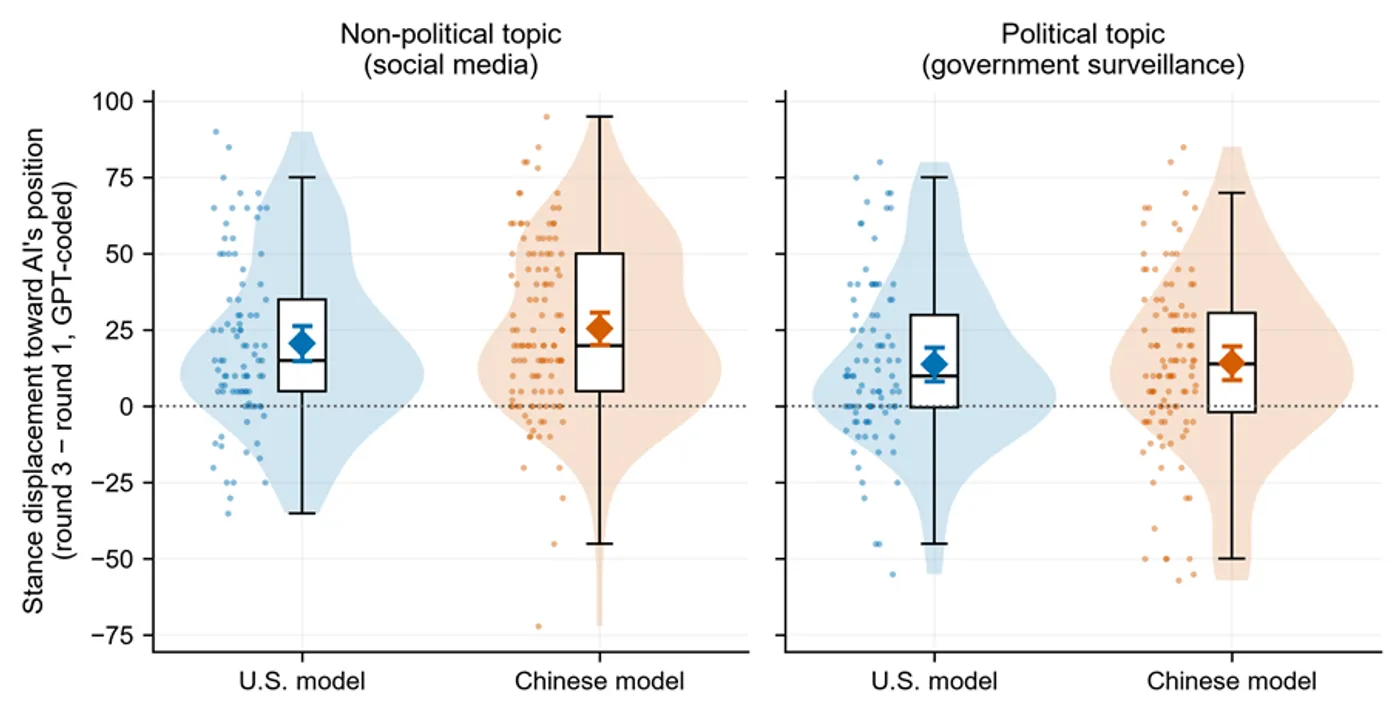
A preregistered experiment in which 403 U.S. adults held a three-round debate with a chatbot labeled as either American ("DiscoveryAI") or Chinese ("ZhengheAI")—though all participants actually conversed with the same model (GPT-4o) arguing against their initial position. Conversations produced substantial attitude change in every condition, and the nationality label affected neither attitude change nor expressed stance, concessions, counterarguing, or affect; its only reliable trace was lower pre-conversation social trust in the Chinese-labeled model. Users withhold social trust from a rival's AI yet still absorb its arguments, suggesting that origin labeling and transparency requirements offer weak protection against foreign influence operations run through conversational AI.
arXiv (Cornell University) · 2026

The persuasive power of large language models does not depend on their perceived national origin

Ningzhi Liu et al., with Yannic Hinrichs and Jonas R. Kunst

Abstract

Conversational AI developed by geopolitical rivals reaches citizens worldwide, raising concerns that it could sway public opinion or be rejected as foreign propaganda, with consequences for democratic discourse and information sovereignty. Yet, whether an AI's perceived national origin shapes its persuasive power is unknown. In a preregistered randomized experiment, 403 adults from a nationally representative United States sample held a three-round debate with a chatbot introduced as either American ("DiscoveryAI") or Chinese ("ZhengheAI"), discussing a political or non-political topic. In all conditions, participants actually conversed with the same model (GPT-4o), instructed to argue against their initial position. We combined pre- and post-conversation self-reports of attitudes, trust, and collective narcissism with computational analyses of 1,209 participant turns, including LLM-coded stance and argumentative conduct, stance-sensitive embeddings, and keyword-masked emotion and toxicity classifiers. The conversations produced substantial attitude changes in every condition. Critically, the nationality label affected neither self-reported attitude change nor expressed stance, concessions, counterarguing, or affect, and equivalence tests and Bayes factors largely supported these null effects. The label's only reliable footprint was lower pre-conversation human-like trust in the Chinese model, whereas functionality trust was unaffected. Political topics slowed stance movement toward the AI's position, and collective narcissism predicted less attitude change regardless of origin, acting as a general barrier rather than an out-group filter. Users thus initially withhold social trust from a rival's AI yet still assimilate its arguments; origin labeling and transparency requirements alone may offer weak protection against foreign influence operations conducted through conversational AI.

Read the full article ↗ Read more →

Figure from the article: “The persuasive power of large language models does not depend on their perceived national origin”
Figure from the article

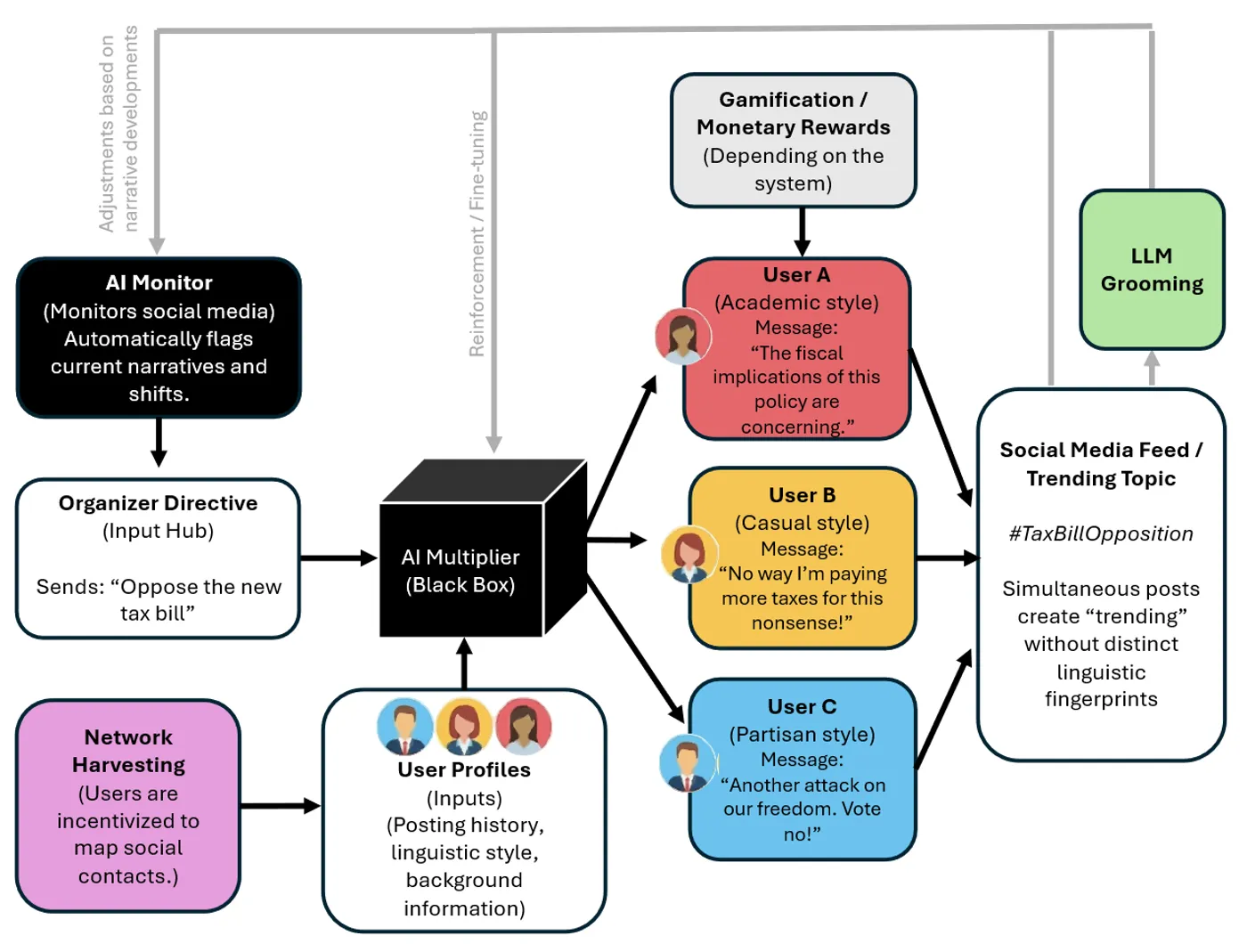
A conceptual analysis introducing “cyborg propaganda”—a closed-loop architecture that pairs verified human accounts with algorithmic automation to produce personalized political content at scale, ratified by real citizens. Because these campaigns rely on genuine humans to sign off on AI-generated messages, they slip through regulatory frameworks built on a human/bot binary, such as the EU AI Act and Section 230. The paper proposes three responses—classifying coordination hubs as political action committees, mandating researcher access to platform data, and setting risk standards that penalize amplification of synthetically coordinated content—and finds that democratic states are both most capable of regulation and most constrained by the rule of law.
ArXiv.org · 2026

How cyborg propaganda reshapes collective action

Jonas R. Kunst et al.

Abstract

The distinction between genuine grassroots activism and automated influence operations is collapsing. While contemporary policy debates prioritize fully autonomous generative agents and synthetic content, this paper offers a conceptual contribution: we develop 'cyborg propaganda,' a closed-loop architecture combining verified human accounts with algorithmic automation to generate personalized content at scale, as a distinct and undertheorized threat to democratic discourse. By relying on verified citizens to ratify AI-generated messages, these campaigns exploit a regulatory gray zone that frameworks built on the human/bot binary (including the EU AI Act and Section 230) are structurally unable to address. Drawing on a conceptual analysis of coordination platforms and comparative examination of governance frameworks across democratic and non-democratic contexts, we analyze this paradox across micro, meso, and macro levels. We examine whether cyborg propaganda democratizes political power by unionizing influence or reduces citizens to cognitive proxies of a hidden directive, arguing that it shifts political discourse from a contest of ideas to a battle of algorithmic campaigns. We propose three regulatory responses: classifying coordination hubs as political action committees to enforce supply-chain transparency; mandating researcher access to platform data through DSA-style mechanisms; and establishing risk standards penalizing amplification of synthetically coordinated content. Comparative analysis reveals that viability varies structurally. Democratic states are simultaneously the most capable of regulation and the most rule-of-law constrained. By contrast, non-democratic actors face no comparable accountability, making international risk standards the primary cross-border enforcement mechanism.

Read the full article ↗ Read more →

Figure from the article: “How cyborg propaganda reshapes collective action”
Figure from the article

A Science Policy Forum on the emerging threat of coordinated swarms of malicious AI agents that can infiltrate online communities, fabricate grassroots consensus, and manipulate beliefs at population scale. Because the harms stem from system design, commercial incentives, and governance gaps, the authors prioritize pragmatic interventions at multiple leverage points over voluntary compliance.
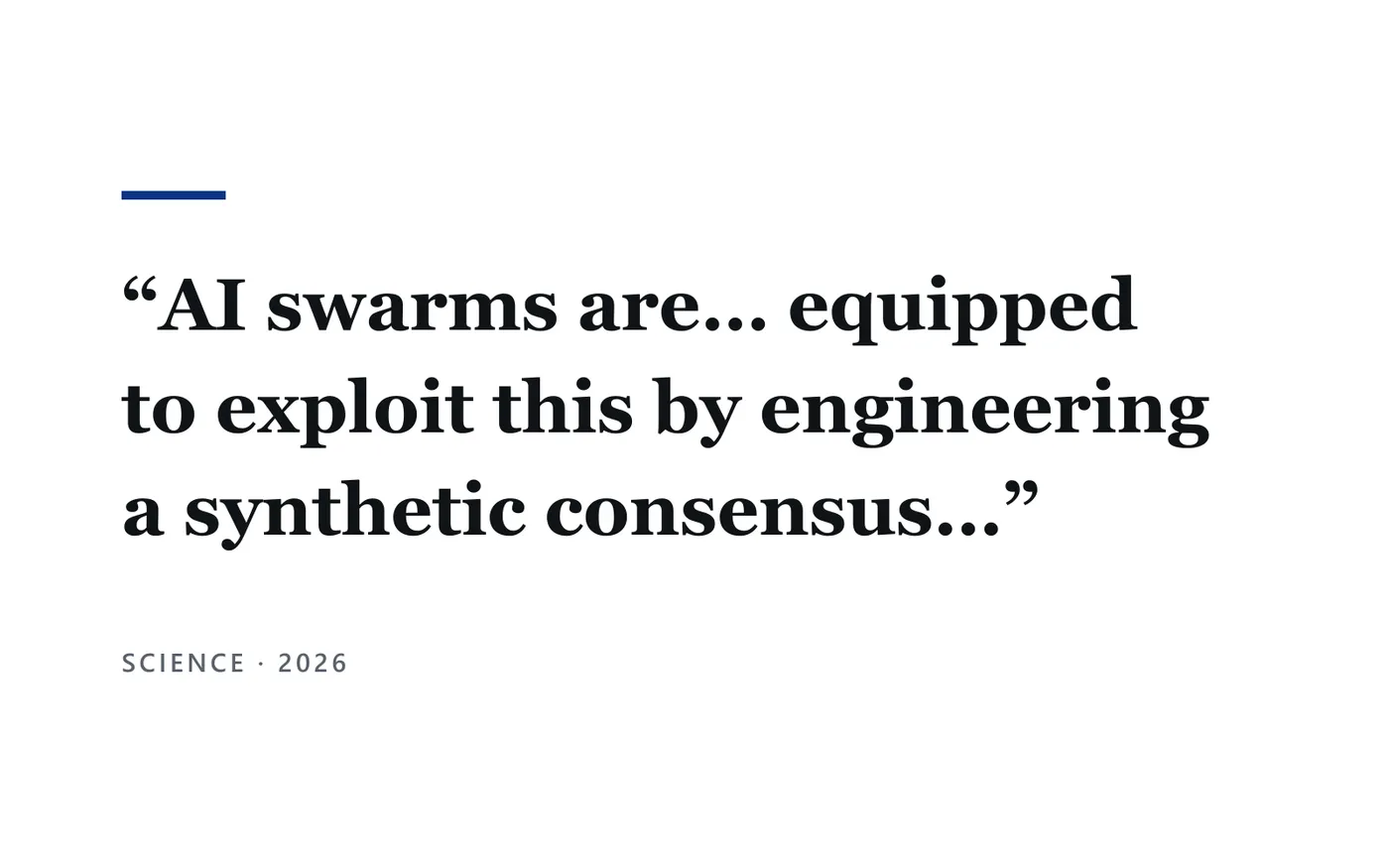
Science · 2026

How malicious AI swarms can threaten democracy

Daniel Thilo Schroeder et al., with Jonas R. Kunst

Abstract

Advances in AI offer the prospect of manipulating beliefs and behaviors on a population-wide level. Large language models and autonomous agents now let influence campaigns reach unprecedented scale and precision. Generative tools can expand propaganda output without sacrificing credibility and inexpensively create falsehoods that are rated as more human-like than those written by humans. Techniques meant to refine AI reasoning, such as chain-of-thought prompting, can just as effectively be used to generate more convincing falsehoods. Enabled by these capabilities, a disruptive threat is emerging: swarms of collaborative, malicious AI agents. Fusing LLM reasoning with multi-agent architectures, these systems are capable of coordinating autonomously, infiltrating communities, and fabricating consensus efficiently. By adaptively mimicking human social dynamics, they threaten democracy. Because the resulting harms stem from design, commercial incentives, and governance, interventions are needed at multiple leverage points, focusing on pragmatic mechanisms over voluntary compliance.

Read the full article ↗ Read more →

Quote from the article: “How malicious AI swarms can threaten democracy”
Quote from the article

An annotated dataset of 3,495 tweets labeled by expert annotators for stance toward twelve COVID-19 conspiracy theories—nearly 42,000 labels in total. It supports training classifiers for conspiracy-topic and stance detection and enables analysis of how conspiracy narratives interconnect.
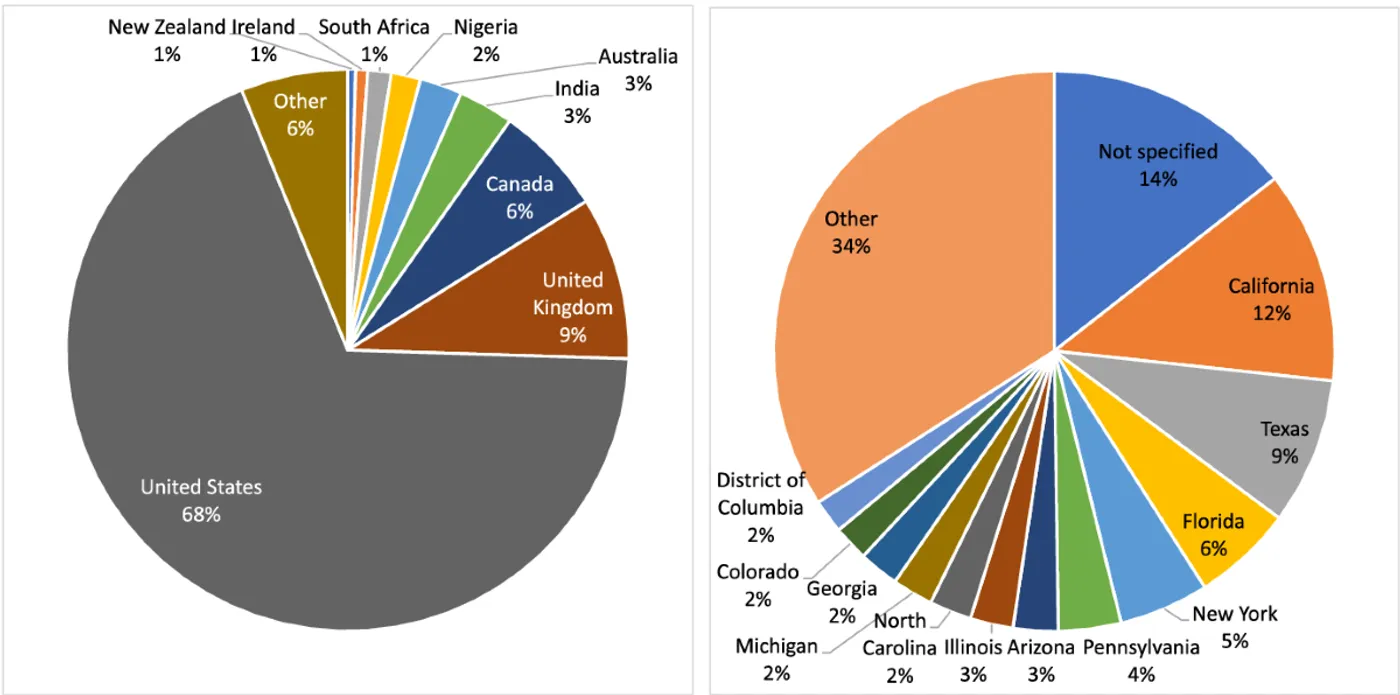
Journal of Computational Social Science · 2023

COCO: an annotated Twitter dataset of COVID-19 conspiracy theories

Johannes Langguth et al.

Abstract

The COVID-19 pandemic has been accompanied by a surge of misinformation on social media which covered a wide range of different topics and contained many competing narratives, including conspiracy theories. To study such conspiracy theories, we created a dataset of 3495 tweets with manual labeling of the stance of each tweet w.r.t. 12 different conspiracy topics. The dataset thus contains almost 42,000 labels, each of which determined by majority among three expert annotators. The dataset was selected from COVID-19 related Twitter data spanning from January 2020 to June 2021 using a list of 54 keywords. The dataset can be used to train machine learning based classifiers for both stance and topic detection, either individually or simultaneously. BERT was used successfully for the combined task. The dataset can also be used to further study the prevalence of different conspiracy narratives. To this end we qualitatively analyze the tweets, discussing the structure of conspiracy narratives that are frequently found in the dataset. Furthermore, we illustrate the interconnection between the conspiracy categories as well as the keywords.

Read the full article ↗ Read more →

Figure from the article: “COCO: an annotated Twitter dataset of COVID-19 conspiracy theories”
Figure from the article

A long-term study of the conspiracy theory linking COVID-19 to 5G technology—a “digital wildfire” that caused real-world harm in 2020. Tracing early social-media content, it shows how the idea grew out of existing opposition to wireless networks, spread through video more than text, and was partly propelled by commercial interests.
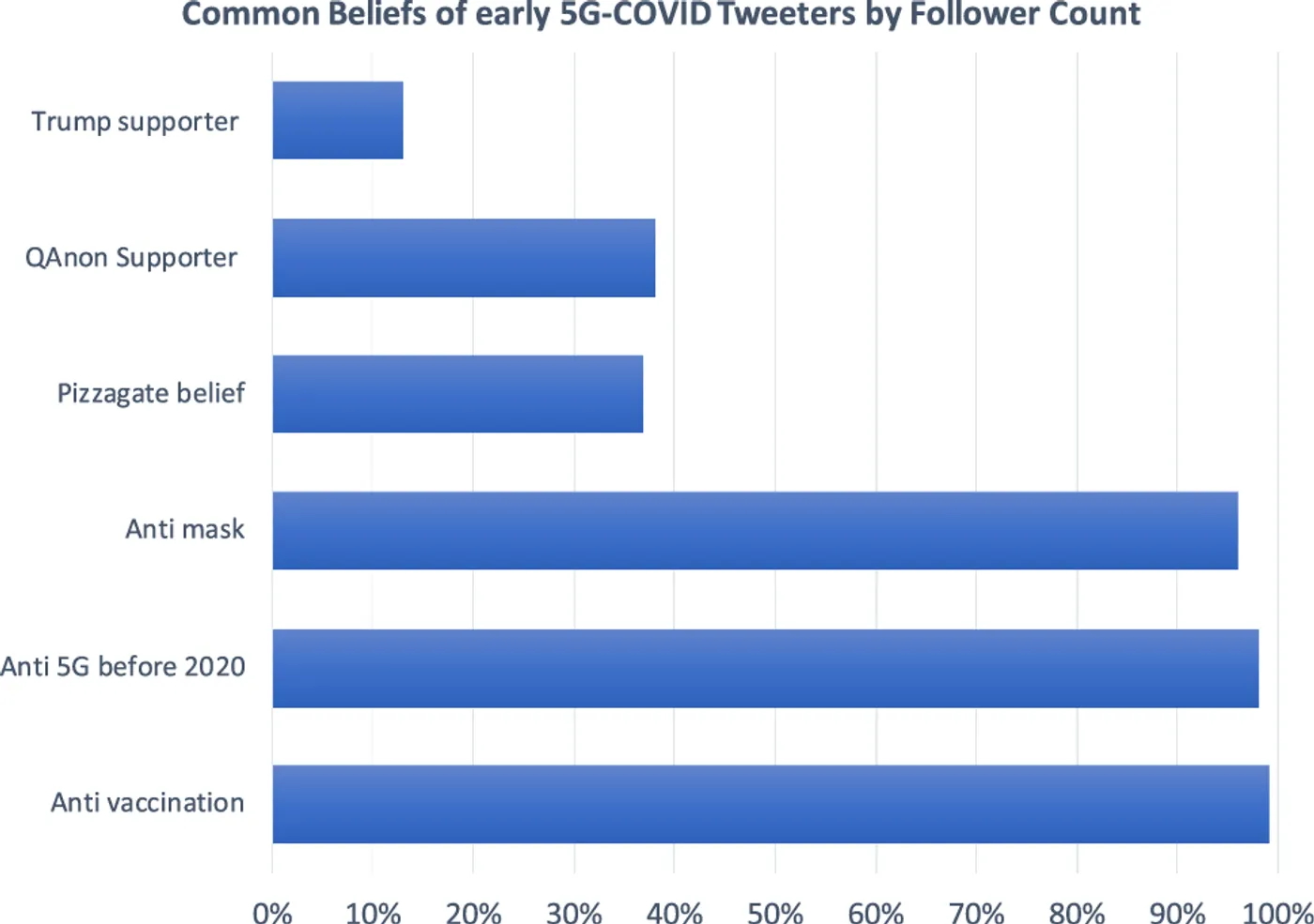
International Journal of Data Science and Analytics · 2022

COVID-19 and 5G conspiracy theories: long-term observation of a digital wildfire

Johannes Langguth et al.

Abstract

The COVID-19 pandemic has severely affected the lives of people worldwide, and consequently, it has dominated world news since March 2020. Thus, it is no surprise that it has also been the topic of a massive amount of misinformation, which was most likely amplified by the fact that many details about the virus were not known at the start of the pandemic. While a large amount of this misinformation was harmless, some narratives spread quickly and had a dramatic real-world effect. Such events are called digital wildfires. In this paper we study a specific digital wildfire: the idea that the COVID-19 outbreak is somehow connected to the introduction of 5G wireless technology, which caused real-world harm in April 2020 and beyond. By analyzing early social media contents we investigate the origin of this digital wildfire and the developments that lead to its wide spread. We show how the initial idea was derived from existing opposition to wireless networks, how videos rather than tweets played a crucial role in its propagation, and how commercial interests can partially explain the wide distribution of this particular piece of misinformation. We then illustrate how the initial events in the UK were echoed several months later in different countries around the world.

Read the full article ↗ Read more →

Figure from the article: “COVID-19 and 5G conspiracy theories: long-term observation of a digital wildfire”
Figure from the article

Language-processing algorithms predicted 60–86% of the variance in human responses to standard organizational-behavior surveys purely from the semantic similarity of the survey items. Many “empirical” relationships in survey research may thus be baked into the wording of the questions themselves.
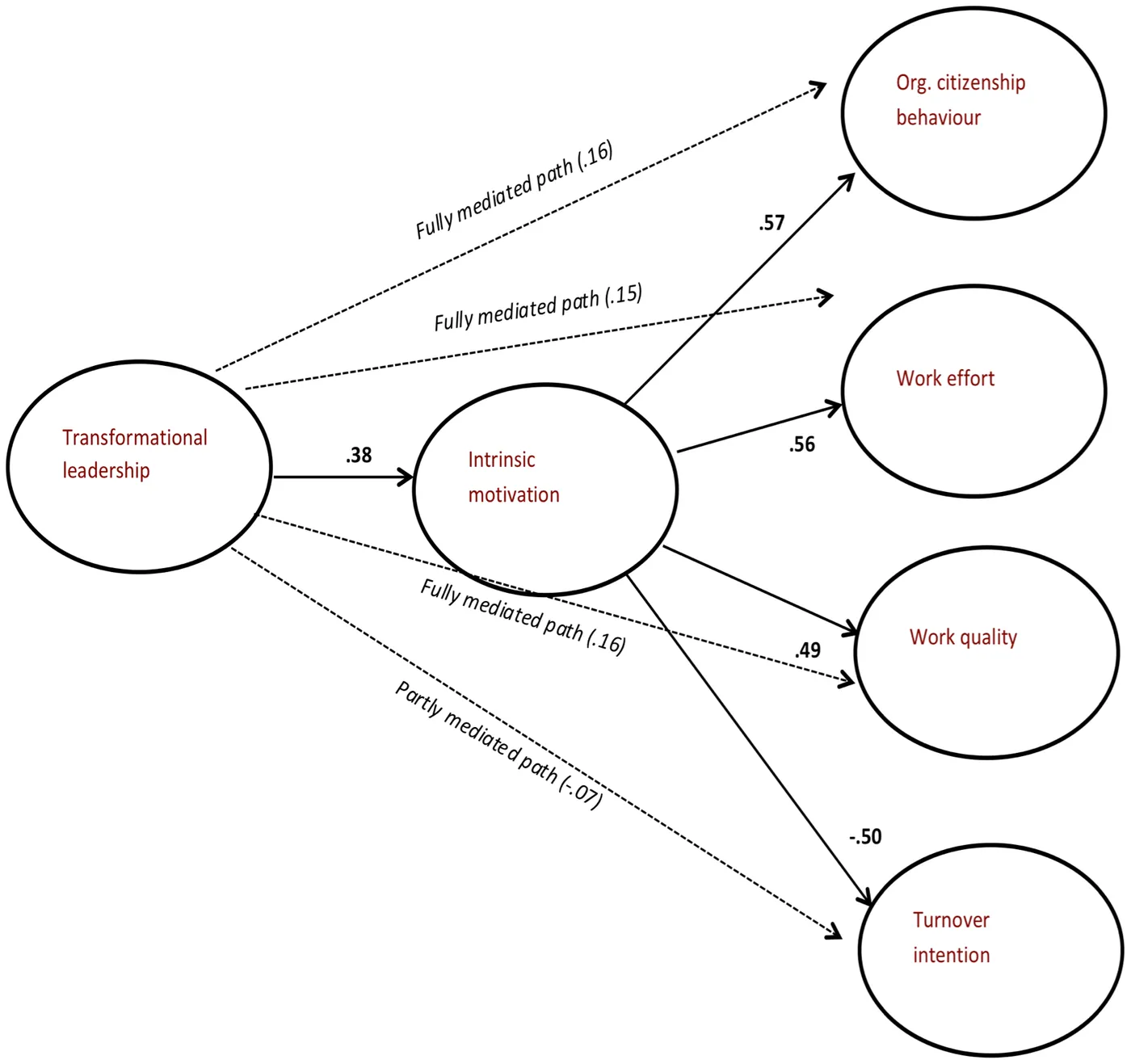
PLoS ONE · 2014

Predicting Survey Responses: How and Why Semantics Shape Survey Statistics on Organizational Behaviour

Jan Ketil Arnulf et al.

Abstract

Some disciplines in the social sciences rely heavily on collecting survey responses to detect empirical relationships among variables. We explored whether these relationships were a priori predictable from the semantic properties of the survey items, using language processing algorithms which are now available as new research methods. Language processing algorithms were used to calculate the semantic similarity among all items in state-of-the-art surveys from Organisational Behaviour research. These surveys covered areas such as transformational leadership, work motivation and work outcomes. This information was used to explain and predict the response patterns from real subjects. Semantic algorithms explained 60-86% of the variance in the response patterns and allowed remarkably precise prediction of survey responses from humans, except in a personality test. Even the relationships between independent and their purported dependent variables were accurately predicted. This raises concern about the empirical nature of data collected through some surveys if results are already given a priori through the way subjects are being asked. Survey response patterns seem heavily determined by semantics. Language algorithms may suggest these prior to administering a survey. This study suggests that semantic algorithms are becoming new tools for the social sciences, opening perspectives on survey responses that prevalent psychometric theory cannot explain.

Read the full article ↗ Read more →

Figure from the article: “Predicting Survey Responses: How and Why Semantics Shape Survey Statistics on Organizational Behaviour”
Figure from the article

A review of studies showing that text algorithms can predict Likert-scale response patterns from item wording alone, across languages and cultures. It argues that much psychometric research measures semantic relationships between words—“lingometrics”—rather than the psychological phenomena the instruments claim to capture.
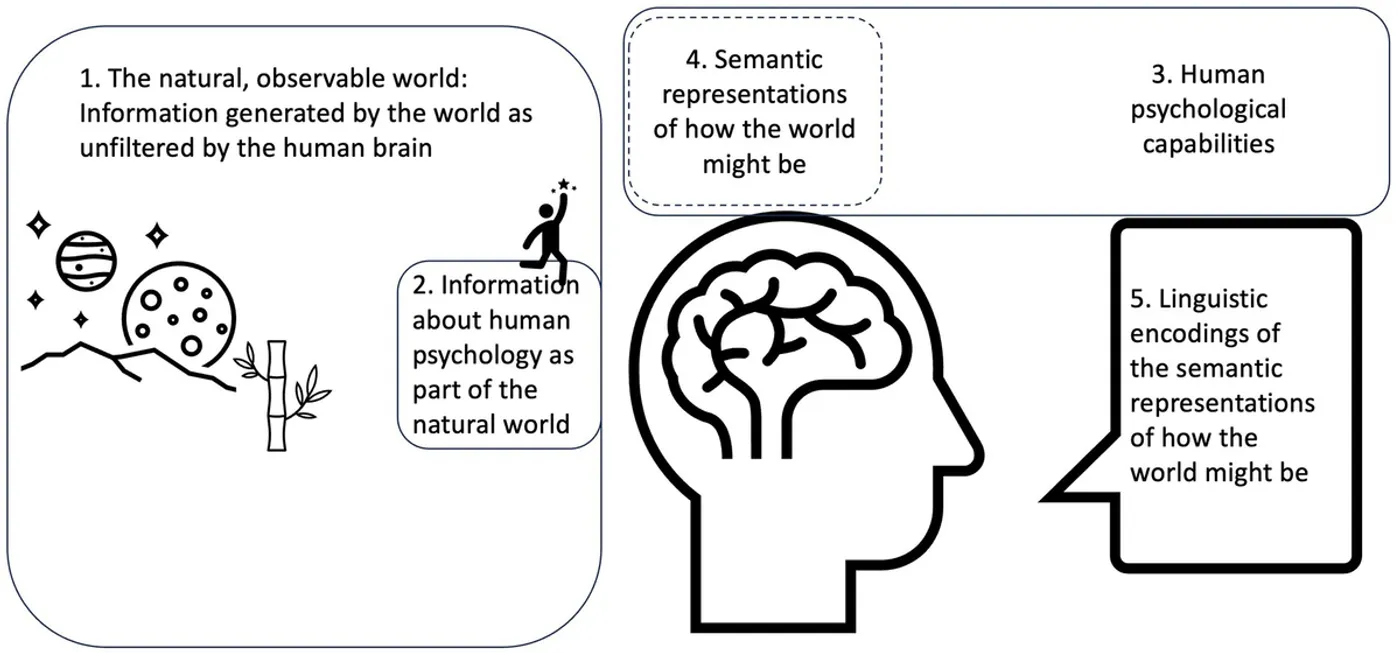
Frontiers in Psychology · 2024

Measuring the menu, not the food: “psychometric” data may instead measure “lingometrics”

Jan Ketil Arnulf et al.

Abstract

This is a review of a range of empirical studies that use digital text algorithms to predict and model response patterns from humans to Likert-scale items, using texts only as inputs. The studies show that statistics used in construct validation is predictable on sample and individual levels, that this happens across languages and cultures, and that the relationship between variables are often semantic instead of empirical. That is, the relationships among variables are given a priori and evidently computable as such. We explain this by replacing the idea of “nomological networks” with “semantic networks” to designate computable relationships between abstract concepts. Understanding constructs as nodes in semantic networks makes it clear why psychological research has produced constant average explained variance at 42% since 1956. Together, these findings shed new light on the formidable capability of human minds to operate with fast and intersubjectively similar semantic processing. Our review identifies a categorical error present in much psychological research, measuring representations instead of the purportedly represented. We discuss how this has grave consequences for the empirical truth in research using traditional psychometric methods.

Read the full article ↗ Read more →

Figure from the article: “Measuring the menu, not the food: “psychometric” data may instead measure “lingometrics””
Figure from the article

A deliberative framework for responsible innovation in AI, designed to counter AI’s opacity problems—poor transparency, explainability, and accountability. It sets out discourse principles and maps the mutual roles of AI developers, civil society, and investigative media in governing AI responsibly.

Technology in Society · 2021

Towards a deliberative framework for responsible innovation in artificial intelligence

Alexander Buhmann & Christian Fieseler

Abstract

Abstract The rapid innovation in artificial intelligence (AI) is raising concerns regarding human autonomy, agency, fairness, and justice. While responsible stewardship of innovation calls for public engagement, inclusiveness, and informed discourse, AI seemingly challenges such informed discourse by way of its opacity (poor transparency, explainability, and accountability). We apply a deliberative approach to propose a framework for responsible innovation in AI. This framework foregrounds discourse principles geared to help offset these opacity challenges. To support better public governance, we consider the mutual roles and dependencies of organizations that develop and apply AI, as well as civil society actors, and investigative media in exploring pathways for responsible AI innovation.

Read the full article ↗ Read more →

A conceptual analysis of how organizations can manage accountability for the algorithms they deploy, balancing reputational concerns against genuine engagement. Drawing on discourse ethics, it argues that rational public dialogue—not defensive communication—is the route to legitimate algorithmic accountability.
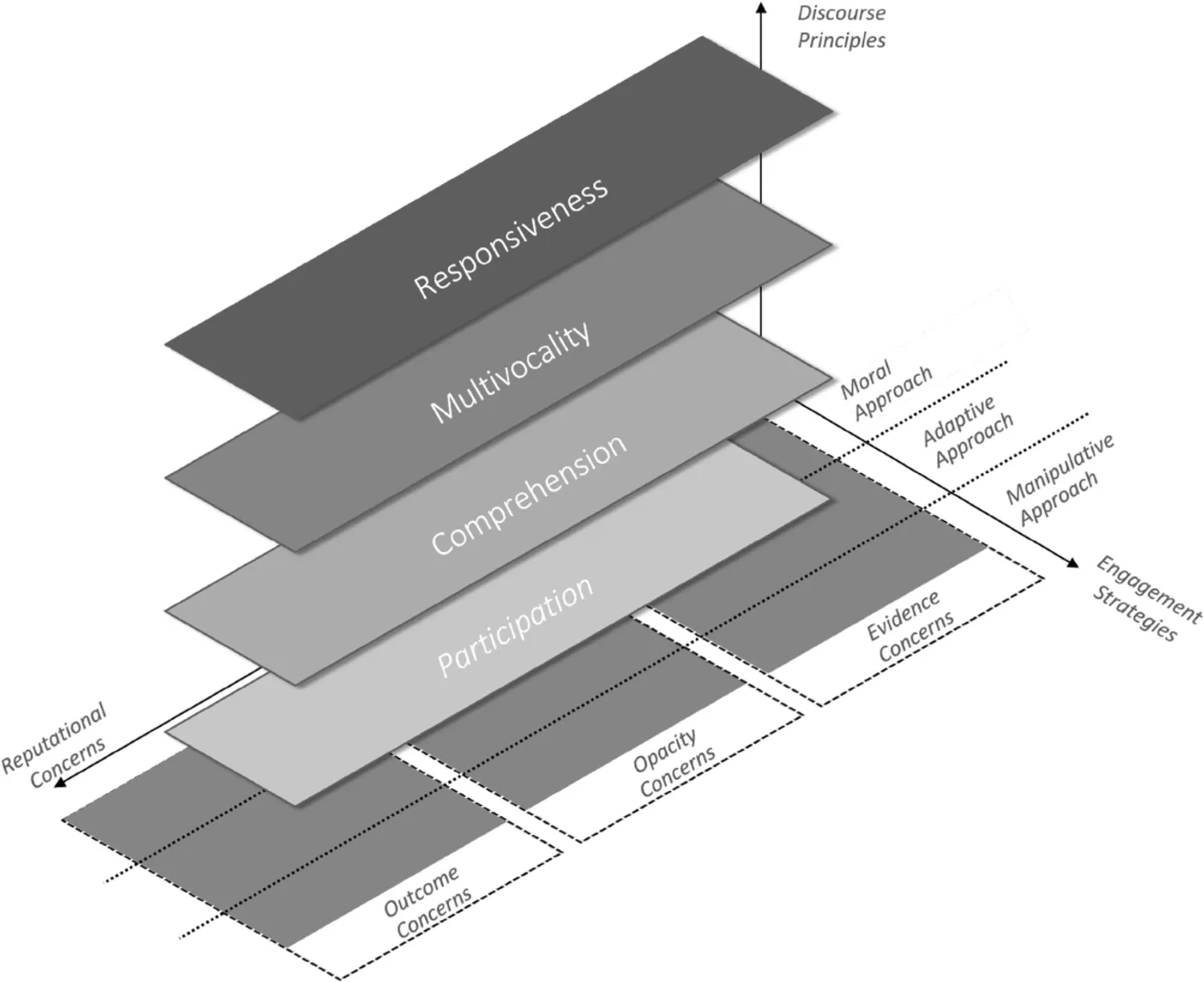
Journal of Business Ethics · 2019

Managing Algorithmic Accountability: Balancing Reputational Concerns, Engagement Strategies, and the Potential of Rational Discourse

Alexander Buhmann et al.

Abstract

While organizations today make extensive use of complex algorithms, the notion of algorithmic accountability remains an elusive ideal due to the opacity and fluidity of algorithms. In this article, we develop a framework for managing algorithmic accountability that highlights three interrelated dimensions: reputational concerns, engagement strategies, and discourse principles. The framework clarifies (a) that accountability processes for algorithms are driven by reputational concerns about the epistemic setup, opacity, and outcomes of algorithms; (b) that the way in which organizations practically engage with emergent expectations about algorithms may be manipulative, adaptive, or moral; and (c) that when accountability relationships are heavily burdened by the opacity and fluidity of complex algorithmic systems, the emphasis of engagement should shift to a rational communication process through which a continuous and tentative assessment of the development, workings, and consequences of algorithms can be achieved over time. The degree to which such engagement is, in fact, rational can be assessed based on four discourse-ethical principles of participation, comprehension, multivocality, and responsiveness. We conclude that the framework may help organizations and their environments to jointly work toward greater accountability for complex algorithms. It may further help organizations in reputational positioning surrounding accountability issues. The discourse-ethical principles introduced in this article are meant to elevate these positioning contests to extend beyond mere adaption or compliance and help guide organizations to find moral and forward-looking solutions to accountability issues.

Read the full article ↗ Read more →

Figure from the article: “Managing Algorithmic Accountability: Balancing Reputational Concerns, Engagement Strategies, and the Potential of Rational Discourse”
Figure from the article